- Home
- Surgical Sperm Retrieval – TESA/PESA
Surgical Sperm Retrieval – TESA/PESA TREATMENT AT GEN FERTILITY
When Sperm Cannot Be Retrieved Naturally
Specialized sperm retrieval techniques may help identify sperm for use in assisted reproductive treatments.
A Possible Path to Parenthood
Sperm retrieval may be considered when sperm are absent from the ejaculate.
Sperm Retrieval Options
Male Infertility Evaluation
Obstructive Azoospermia Assessment
Sperm for IVF/ICSI
Individualized Treatment Planning
Steps in Surgical Sperm Retrieval
The approach depends on the cause of infertility and the couple’s treatment plan.
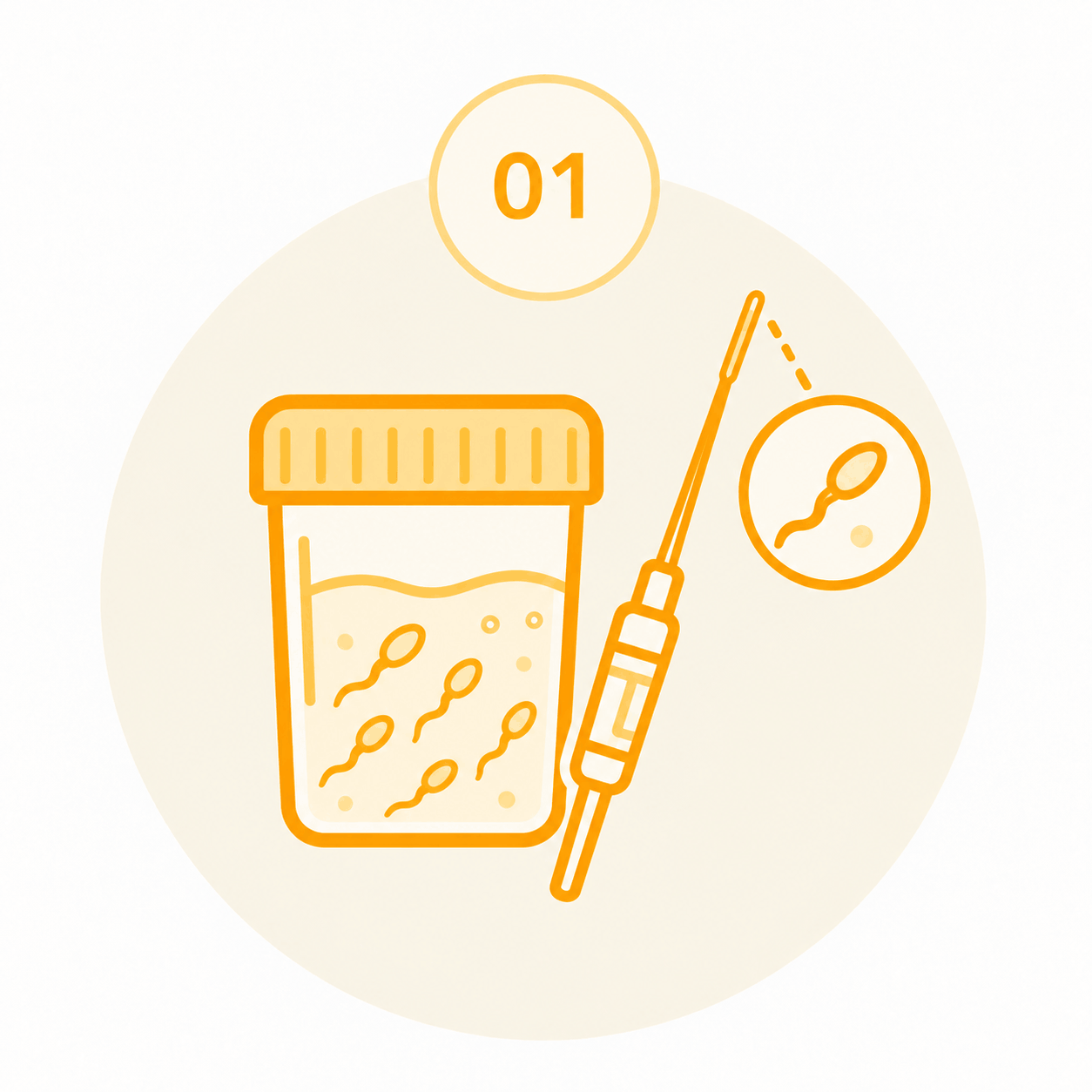
01—Initial Evaluation
Medical history, semen analysis, and relevant tests help identify the possible cause.
02 — Choose the Technique
The specialist determines whether TESA or PESA may be appropriate.
02 — Choose the Technique
The specialist determines whether TESA or PESA may be appropriate.
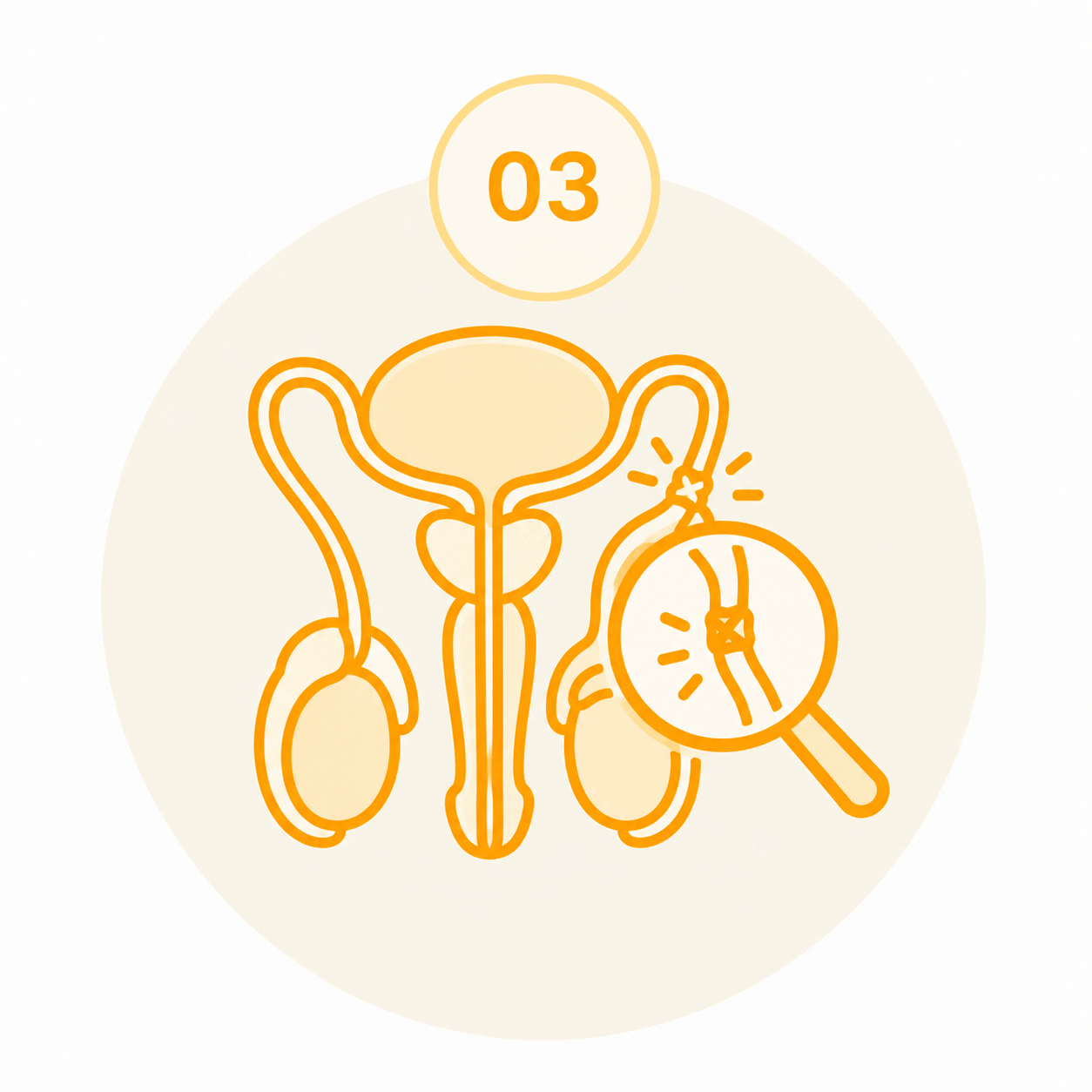
03 — Retrieve the Sperm
TESA uses a needle to aspirate tissue from the testicle. PESA uses a needle to aspirate sperm from the epididymis.
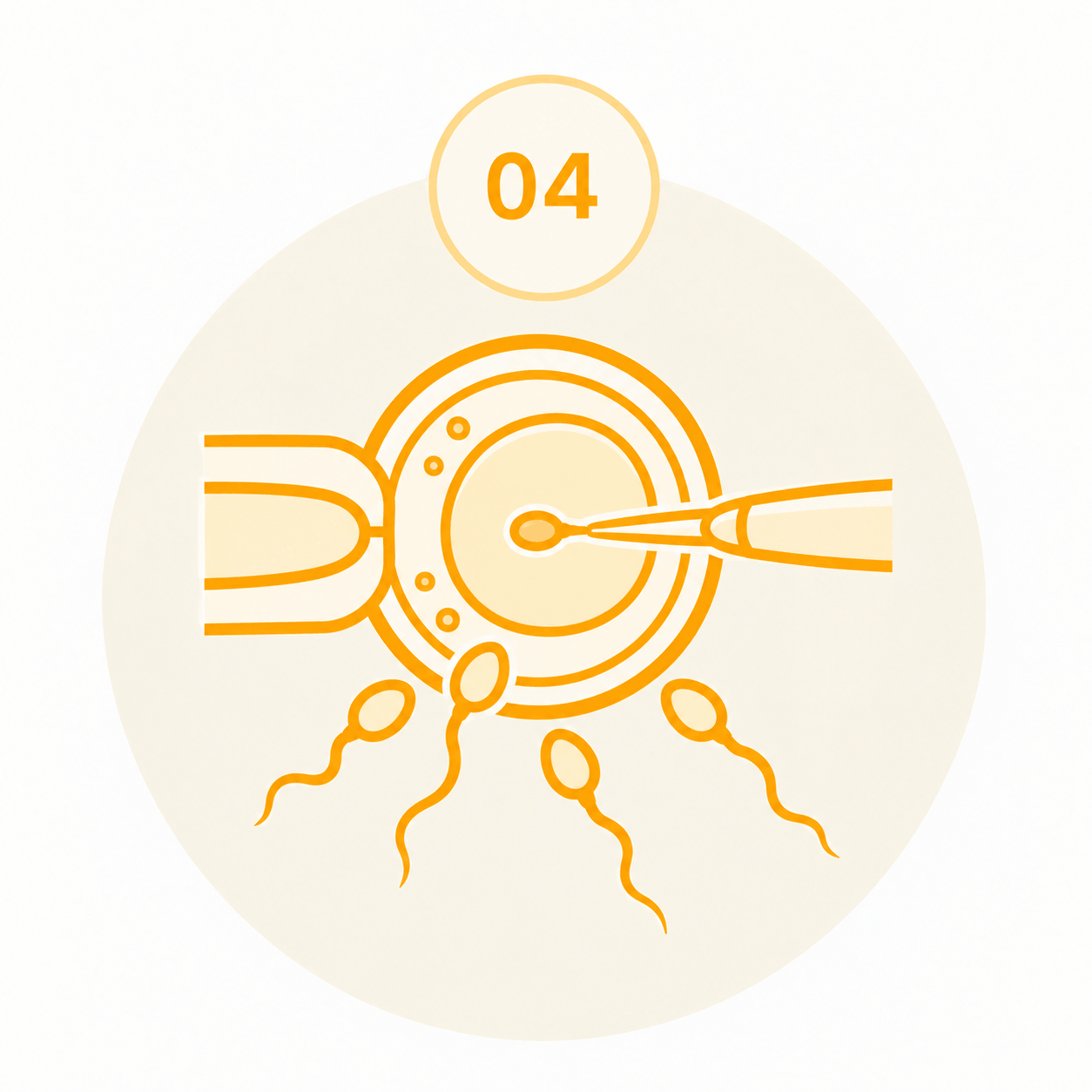
04 — Assess the Sample
The laboratory examines the sample for the presence of sperm.
04 — Assess the Sample
The laboratory examines the sample for the presence of sperm.
05 — Plan Fertility Treatment
Retrieved sperm may be used for ICSI when suitable, with freezing considered where appropriate.
A Plan That Considers Both Partners
Male infertility can involve several factors. Treatment planning considers both partners and their fertility needs.

Experienced Fertility Specialists

Appropriate Diagnostic Testing

Individualized Treatment Planning

Laboratory Coordination

Guidance at Every Stage
UNDERSTANDING TESA/PESA: FROM EVALUATION TO TREATMENT
How It Works
Who May Need It
The Process
Treatment Costs
Possible Outcomes
Factors Affecting Outcomes
TESA and PESA use different retrieval sites to obtain sperm.
- ● TESA samples testicular tissue.
- ● PESA samples the epididymis.
- ● Both use needle-based techniques.
- ● The choice depends on clinical findings.
The specialist recommends the technique based on the likely cause of sperm absence.
These techniques may be considered when sperm are absent from the ejaculate.
- ● Obstructive azoospermia
- ● Blockage in the reproductive tract
- ● Previous unsuccessful sperm retrieval
- ● Selected cases of male infertility
Testing helps determine whether retrieval is appropriate.
The technique and setting depend on individual needs.
- ● Medical evaluation comes first.
- ● Local anesthesia may be used.
- ● A needle retrieves the sample.
- ● The laboratory examines the sample.
Your specialist will explain the planned procedure and preparation.
Costs vary according to the treatment plan.
- ● Retrieval technique
- ● Anesthesia requirements
- ● Laboratory procedures
- ● Sperm freezing, if needed
- ● Additional IVF/ICSI expenses
Request an individualized estimate before treatment begins.
The presence of retrievable sperm cannot be guaranteed.
- ● Sperm may be retrieved.
- ● The sample is assessed.
- ● ICSI may be considered.
- ● Freezing may be possible.
- ● Further treatment may be needed.
Outcomes depend on the underlying cause and individual findings.
Several clinical factors influence the likelihood of retrieving sperm.
- ● Cause of azoospermia
- ● Reproductive tract findings
- ● Testicular function
- ● Previous treatment history
- ● Laboratory assessment
Your specialist will discuss the factors relevant to your case.
Questions You May Have Before Starting TESA/PESA
It is natural to have questions when planning fertility treatment. Here are some answers to help you understand your options.
1. What is the difference between TESA and PESA?
TESA retrieves tissue from the testicle, while PESA aspirates sperm from the epididymis.
2. Does sperm retrieval guarantee pregnancy?
No. Retrieval may provide sperm for treatment, but pregnancy depends on several additional factors.
3. Is the procedure painful?
Anesthesia is used as appropriate. Some discomfort or soreness may occur afterward.
4. Can retrieved sperm be used for IVF?
Retrieved sperm may be used for ICSI, depending on sperm availability and clinical suitability.
5. What if no sperm are retrieved?
Your specialist may discuss further evaluation or alternative retrieval approaches, including Micro-TESE when appropriate.
Take the first step towards your dream
Find answers to some of the most frequently asked questions.