



- Home
- ICSI Treatment
ICSI TREATMENT AT GEN FERTILITY
When Fertilisation Needs a More Precise Approach
One Journey. Five Carefully Guided Steps.
Evaluation & Personalised Planning
Ovarian Stimulation & Monitoring
Egg Retrieval & Sperm Collection
ICSI & Embryo Development
Embryo Transfer & Pregnancy Test
A Closer Look at Each Step
01— Evaluation & Personalised Planning
Your journey begins with understanding both partners. Fertility history, ovarian reserve, reproductive health and semen parameters are evaluated to determine whether ICSI may be appropriate and to plan treatment around your individual needs.
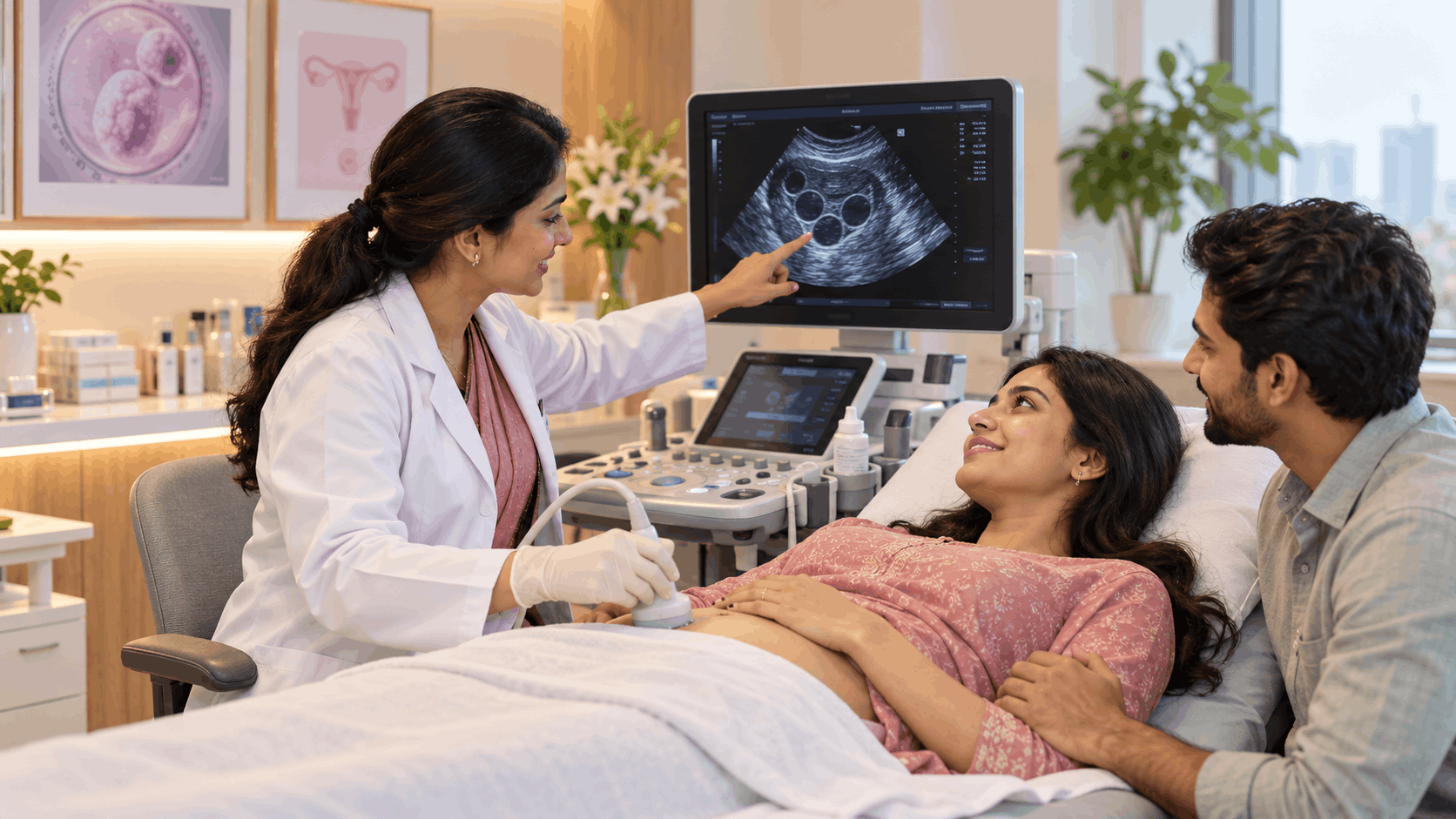
02 — Ovarian Stimulation & Monitoring
Fertility medications are used to encourage the ovaries to develop multiple eggs. Your response is monitored through ultrasound scans and, where appropriate, hormone tests to help guide the treatment.
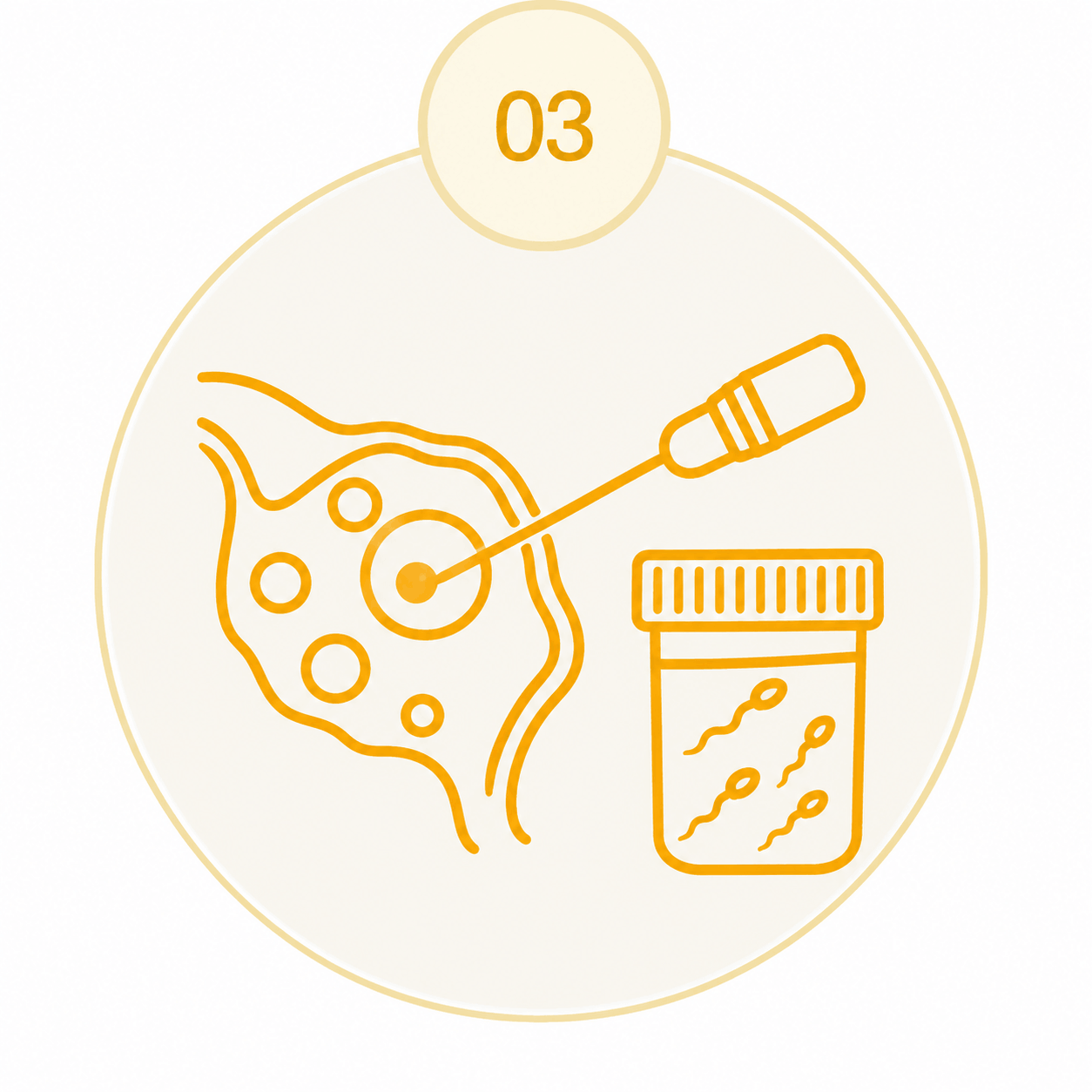
03 — Egg Retrieval & Sperm Collection
When the eggs are ready, they are carefully retrieved through a planned procedure. A sperm sample is collected and prepared in the laboratory. In some male-factor cases, surgically retrieved sperm may be considered when clinically appropriate.
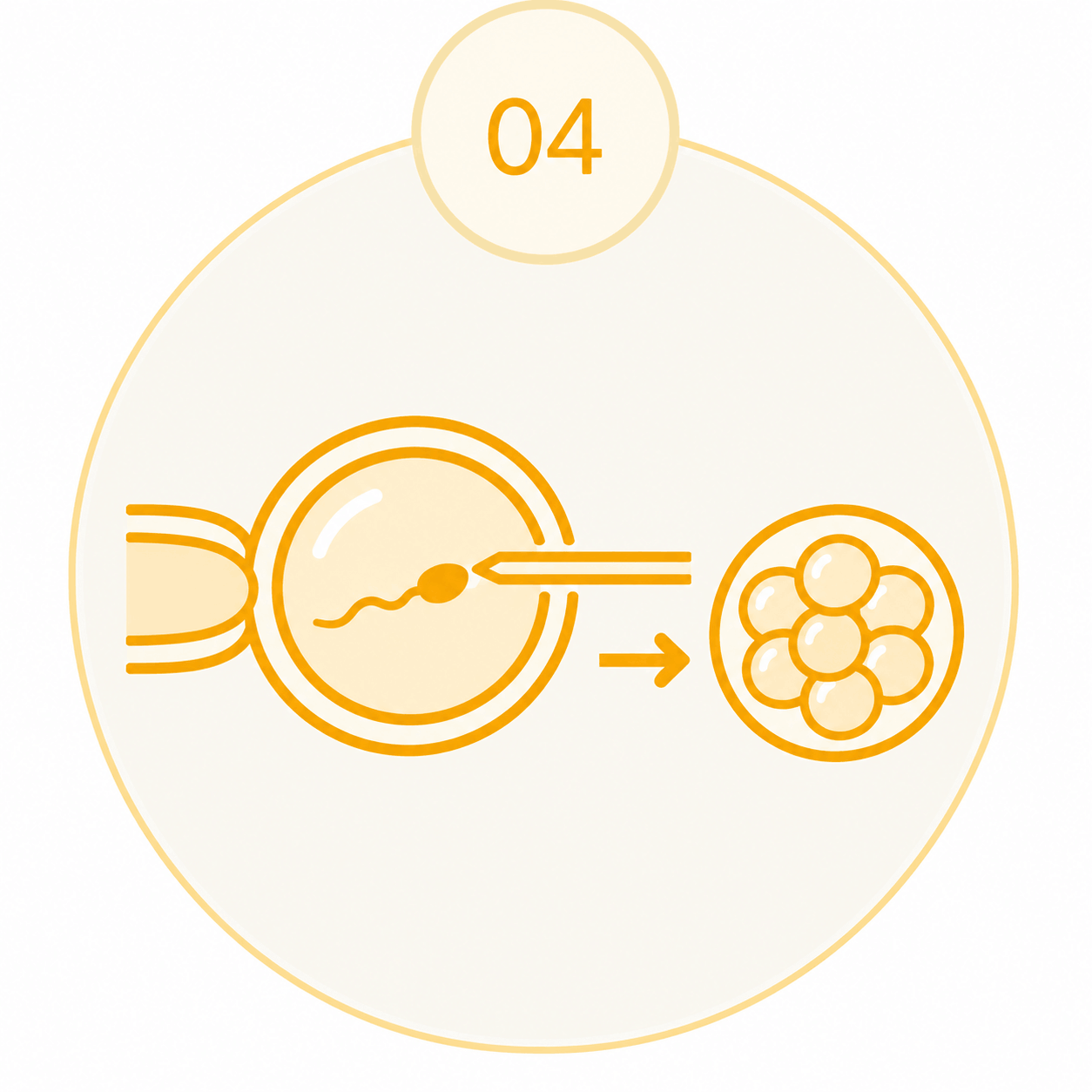
04 —ICSI & Embryo Development
04 — ICSI & Embryo Development
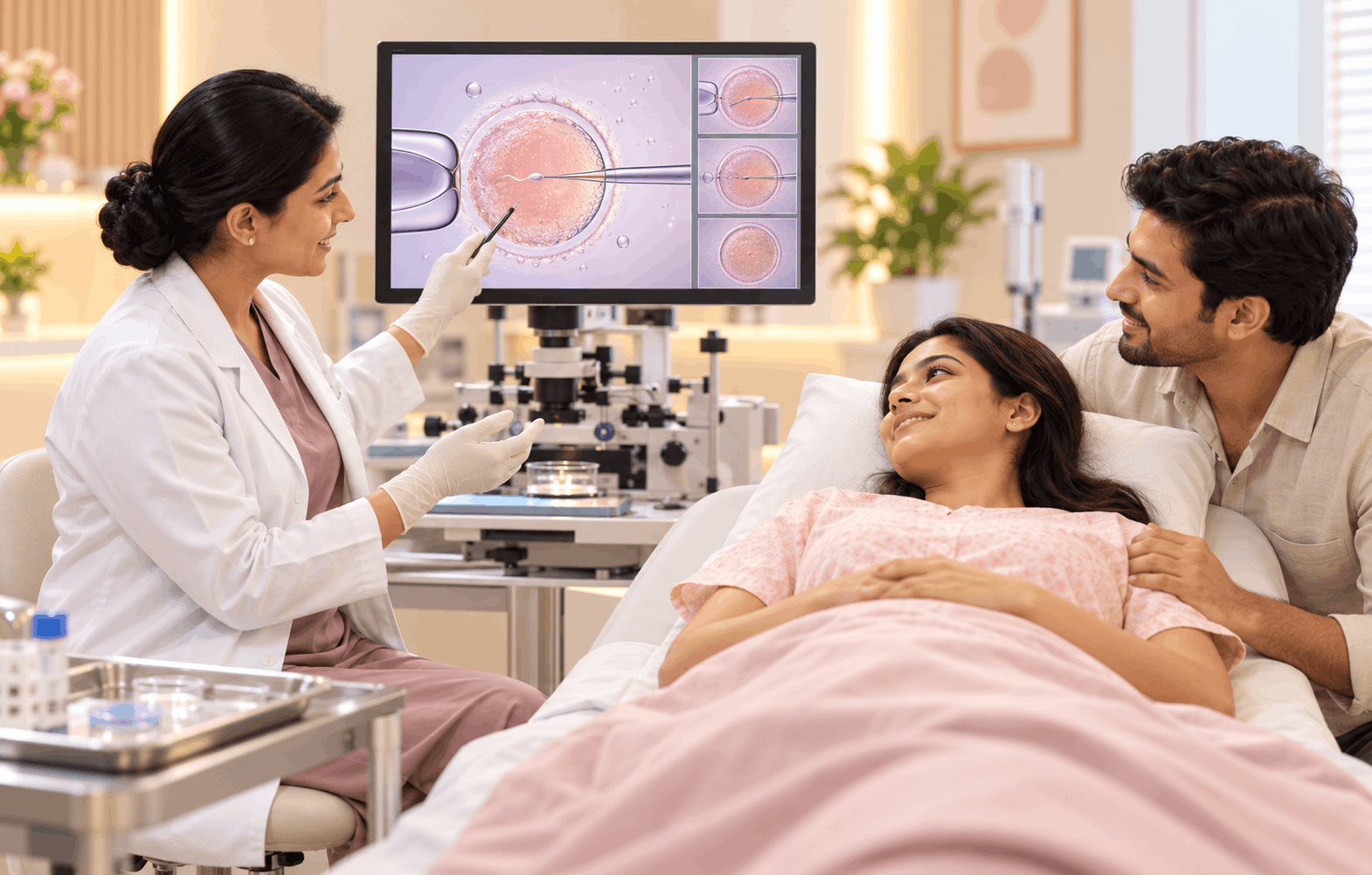
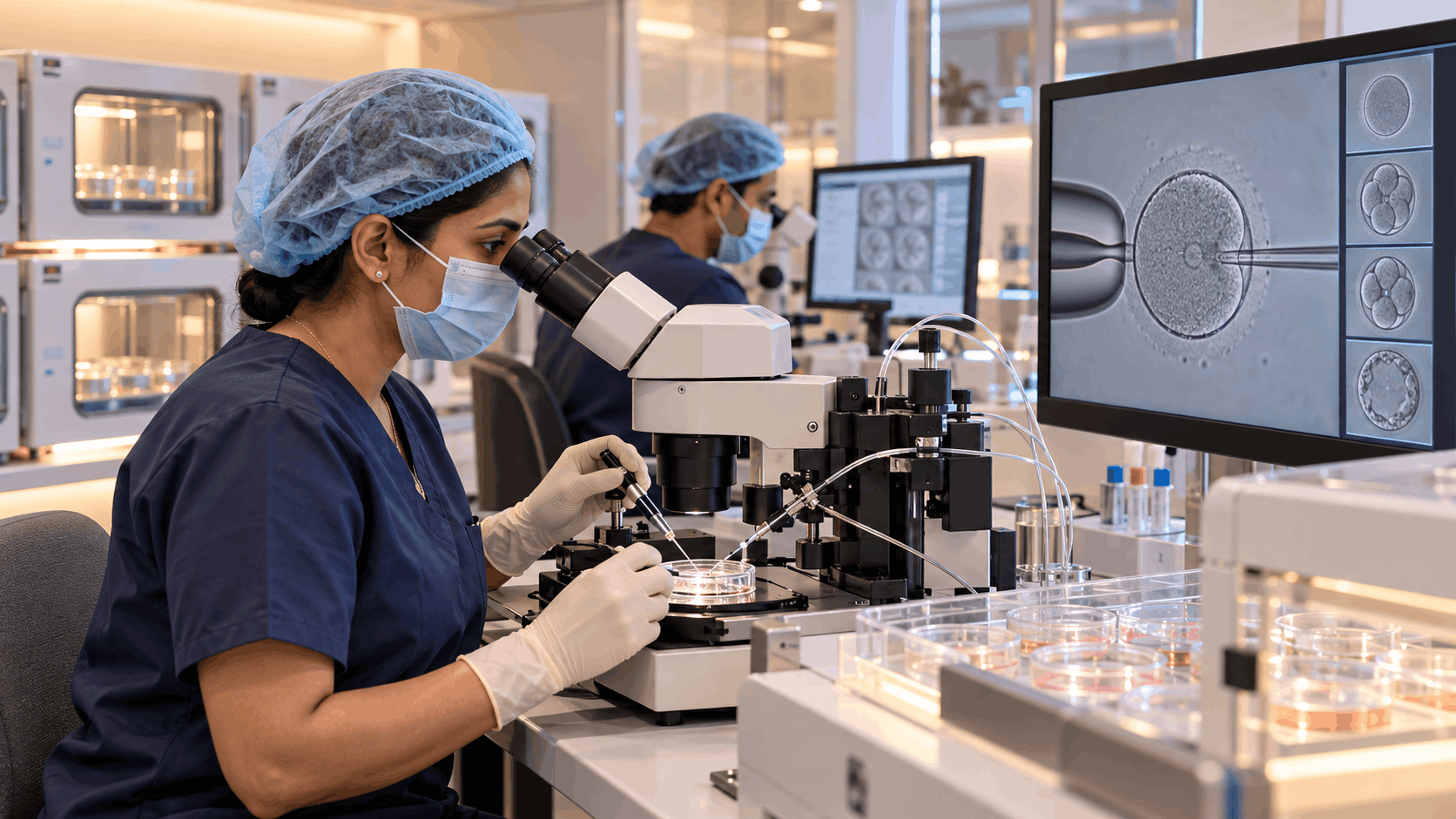
In the embryology laboratory, an embryologist selects a suitable sperm and carefully injects it directly into a mature egg. The eggs are then monitored for fertilisation, and resulting embryos are observed as they develop.
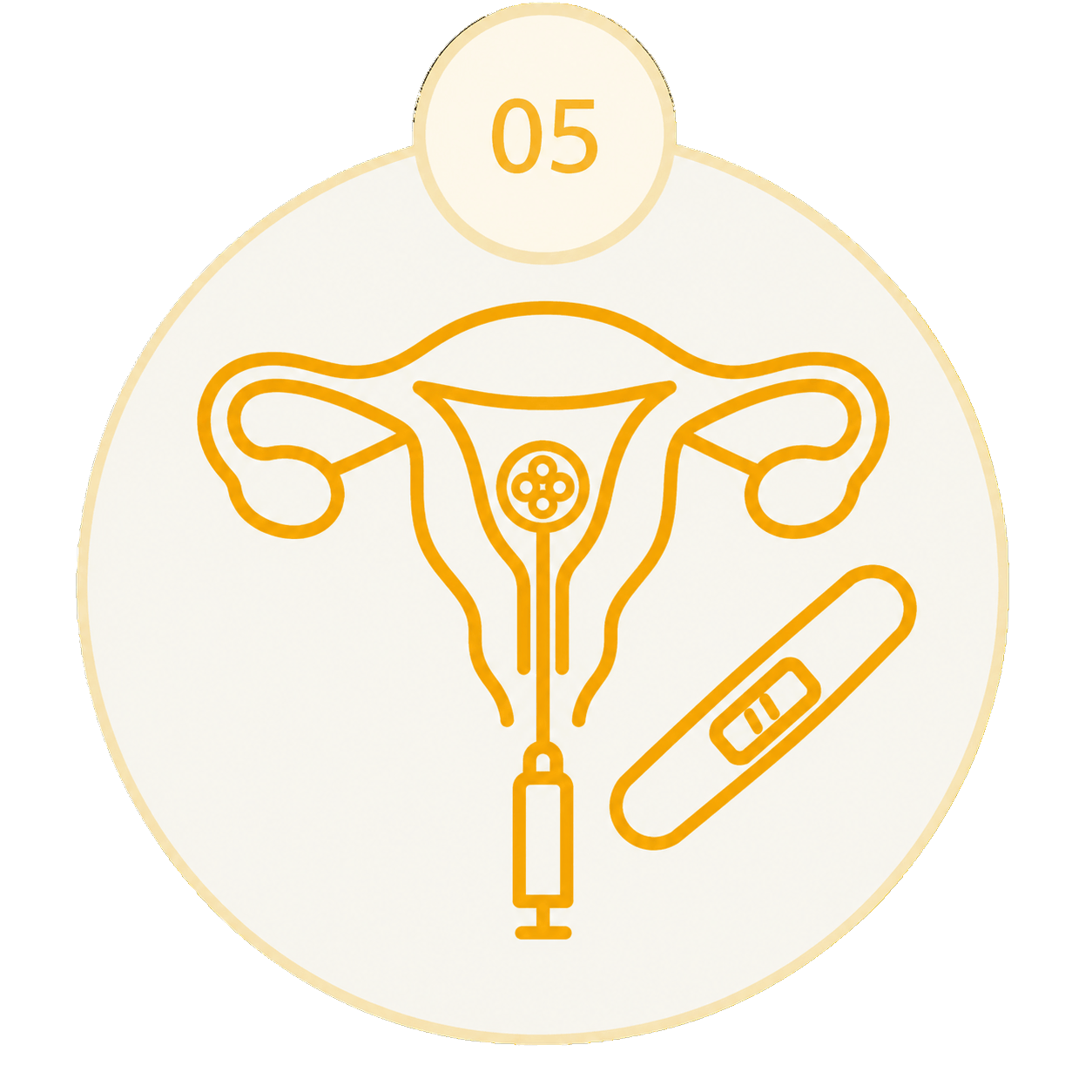
05 — Embryo Transfer & The Wait That Means Everything
MORE THAN AN ICSI PROCEDURE
Precision in the Lab. Personalised Care Throughout.
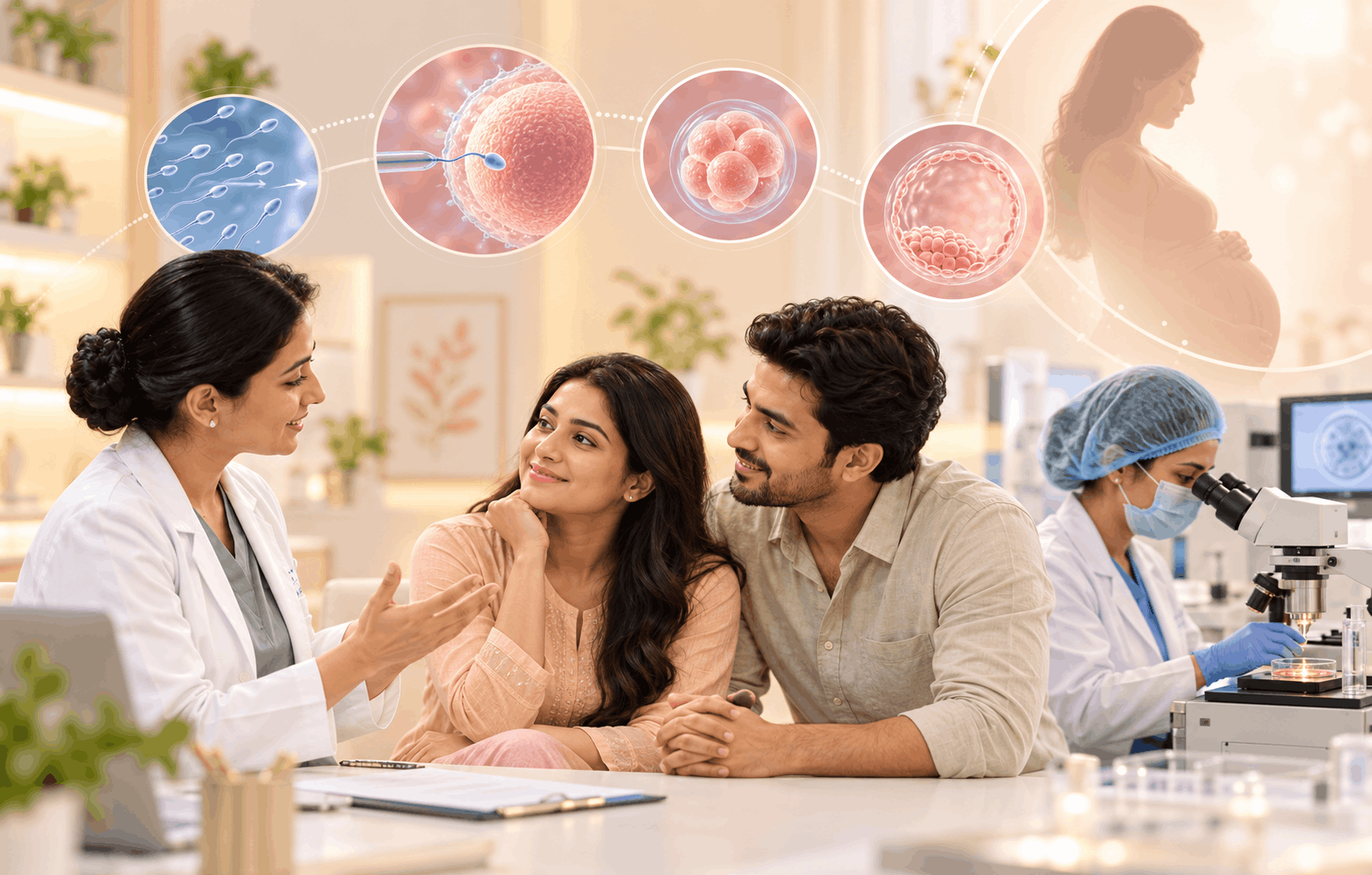
ICSI is one part of a carefully planned fertility journey. At GEN Fertility, clinical expertise and embryology work together to understand the factors affecting fertilisation and provide care based on the needs of both partners.

Experienced Fertility Specialists

Advanced Embryology Care

Individual Sperm Selection

Personalised ICSI Planning

Care for Both Partners

Support at Every Stage
UNDERSTANDING ICSI
Preparing for Your ICSI Journey
Fertility Evaluation
Male Fertility Assessment
Personalised Treatment Planning
Ovarian Stimulation
Trigger Injection
Where Clinical Care Meets Precision Embryology
Egg Retrieval
Sperm Collection or Retrieval
Sperm Selection
Intracytoplasmic Sperm Injection
Embryo Development
Embryo Transfer
The Wait, the Test & What Comes Next
Post-Transfer Care
The Waiting Period
Pregnancy Test
If the Test Is Positive
If the Test Is Negative
QUESTIONS YOU MAY HAVE BEFORE ICSI
It’s natural to have questions when a treatment involves advanced embryology. Here are some answers to help you understand ICSI with greater clarity.
1. What is ICSI and how is it different from IVF?
ICSI is a fertilisation technique performed as part of IVF. In conventional IVF, eggs and prepared sperm are placed together in the laboratory and fertilisation is allowed to occur. With ICSI, an embryologist injects a selected sperm directly into a mature egg.
2. Who may be advised to undergo ICSI?
ICSI may be considered for significant male-factor infertility, very low sperm numbers or motility, certain sperm-related concerns, previous fertilisation difficulties or when surgically retrieved sperm is being used. The decision depends on individual clinical circumstances.
3. Does ICSI guarantee fertilisation?
No. ICSI assists the fertilisation process by placing a sperm directly inside a mature egg, but it cannot guarantee that every injected egg will fertilise or develop into a suitable embryo.
4. Is ICSI better than conventional IVF?
Neither technique is automatically better for everyone. ICSI can be particularly useful when there are specific fertilisation or sperm-related concerns. Your fertility specialist and embryology team can determine which approach is appropriate for your circumstances.
5. Can ICSI help with male infertility?
ICSI can help overcome certain male-factor barriers to fertilisation because a sperm is injected directly into the egg. However, the underlying cause and severity of male infertility still need to be properly evaluated.
6. What factors influence ICSI treatment success?
Treatment outcomes can be influenced by age, ovarian reserve, egg maturity and quality, sperm characteristics, fertilisation, embryo development, uterine health and other individual fertility factors.
Take the first step towards your dream
Find answers to some of the most frequently asked questions.