








- Home
- Microfluidic Sperm Sorting
Microfluidic Sperm Sorting TREATMENT AT GEN FERTILITY
A More Selective Approach to Sperm Preparation
Microfluidic sperm sorting uses microchannels to select sperm with favorable movement characteristics for assisted reproductive treatment.
Refining Sperm Selection
This laboratory technique may help select sperm with favorable characteristics for use in assisted reproduction.
Microchannel-Based Sperm Selection
Motility-Based Sperm Separation
Laboratory Sperm Preparation
IVF/ICSI Treatment Support
Individualized Treatment Planning
Steps in Microfluidic Sperm Sorting
The laboratory determines whether this technique is suitable for the available semen sample and planned treatment.
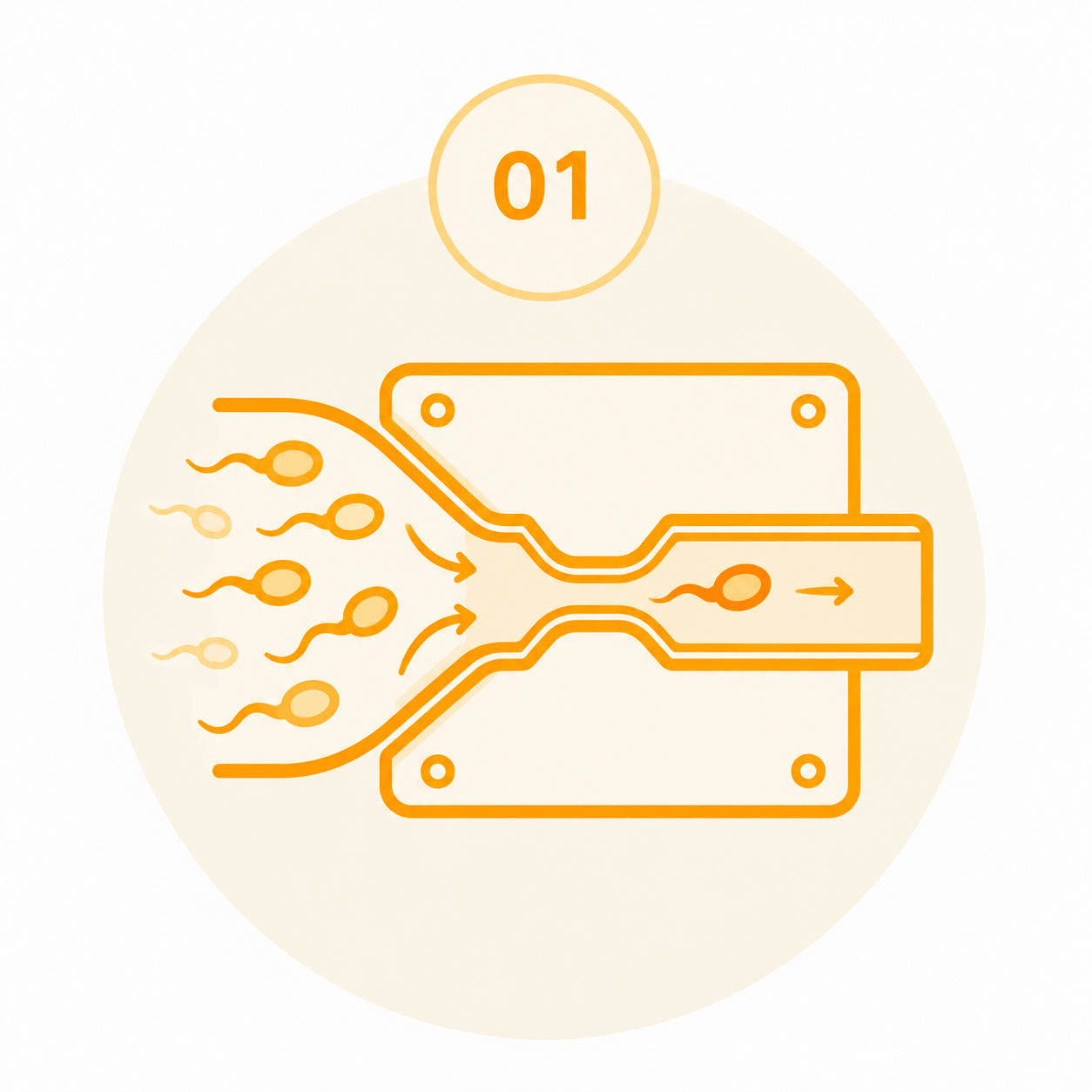
01— Semen Assessment
The laboratory evaluates the semen sample and determines the appropriate preparation method.
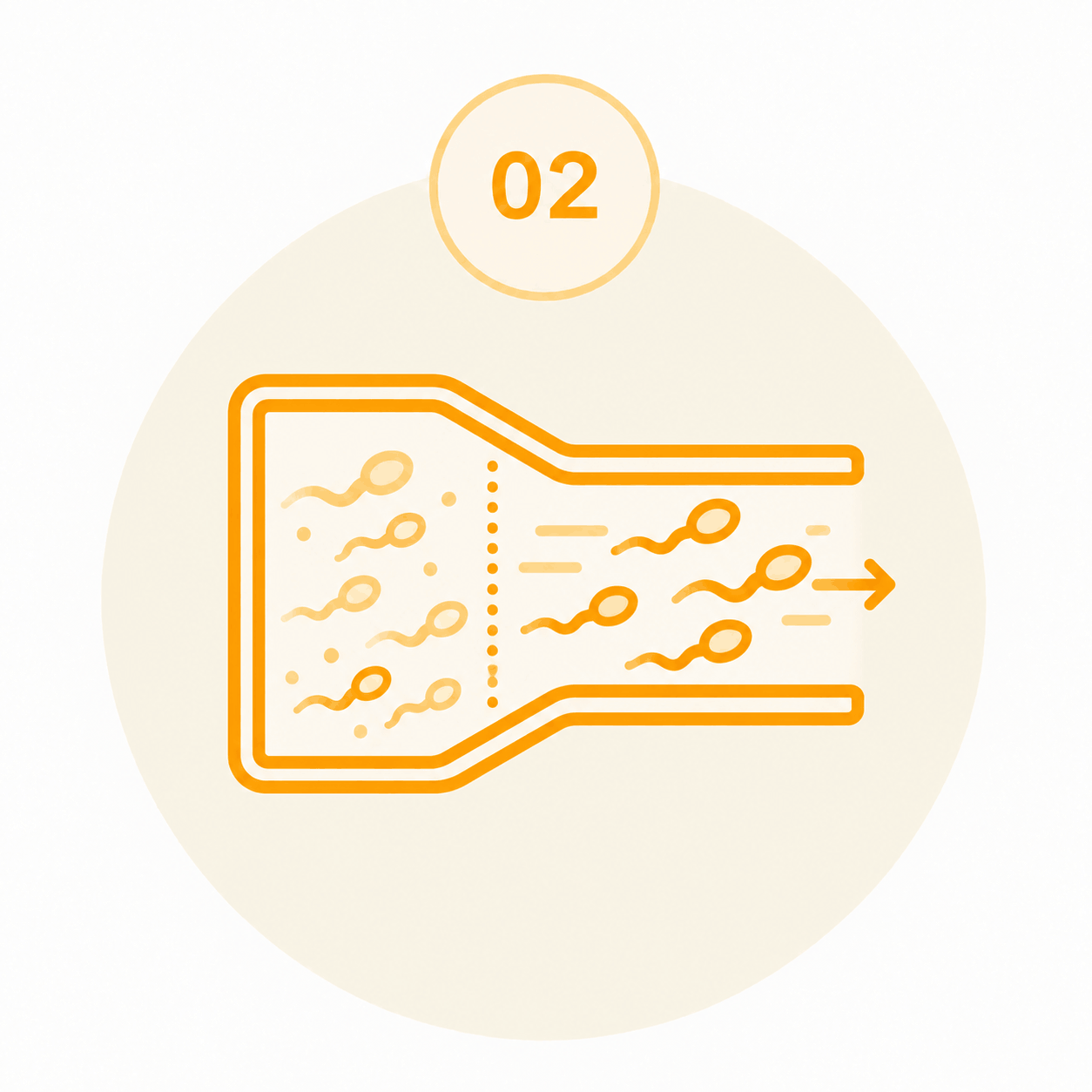
02 — Sample Preparation
The sample is prepared for processing using a suitable microfluidic device.
02 — Sample Preparation
The sample is prepared for processing using a suitable microfluidic device.
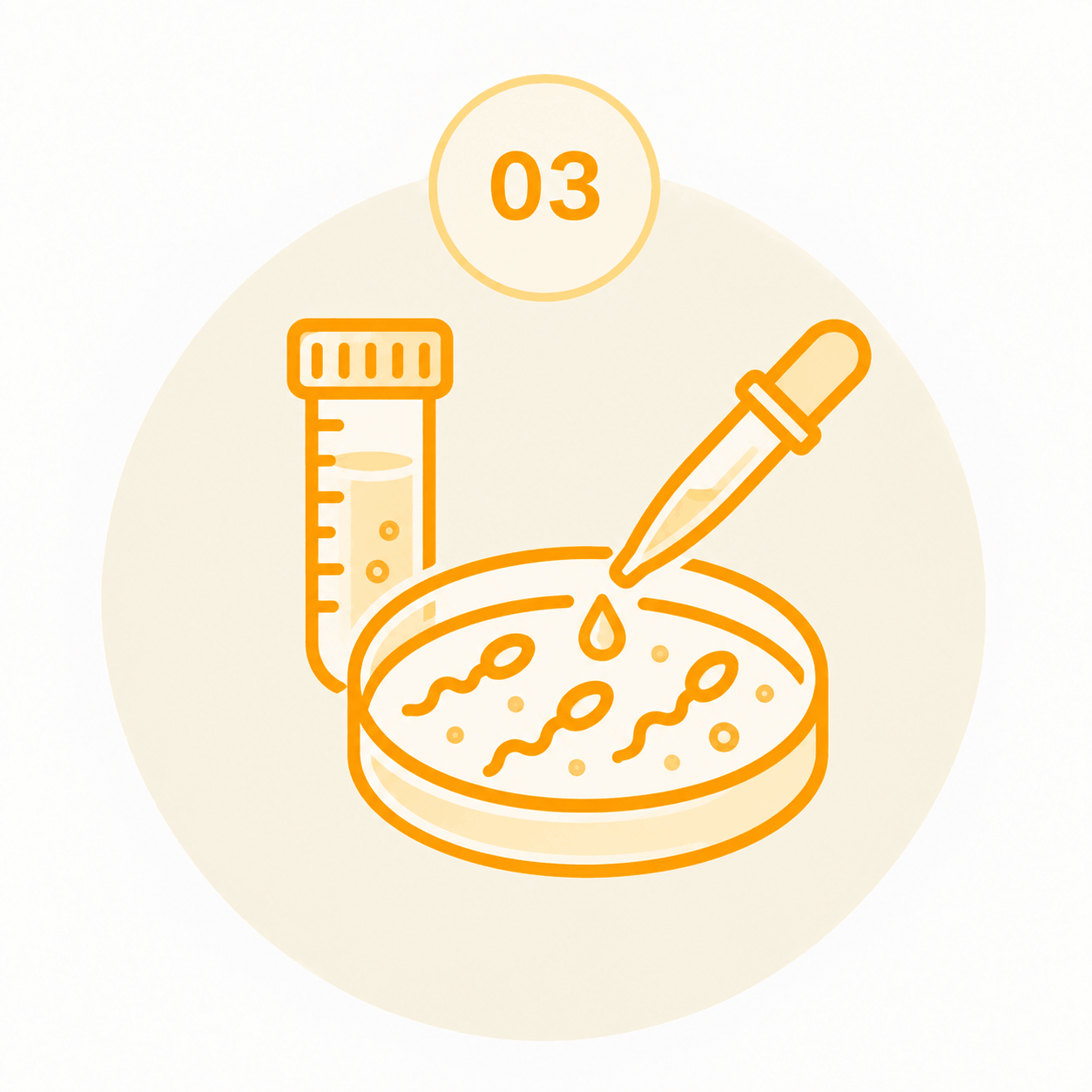
03 — Microfluidic Sorting
Sperm move through microchannels, allowing selection based on movement characteristics.
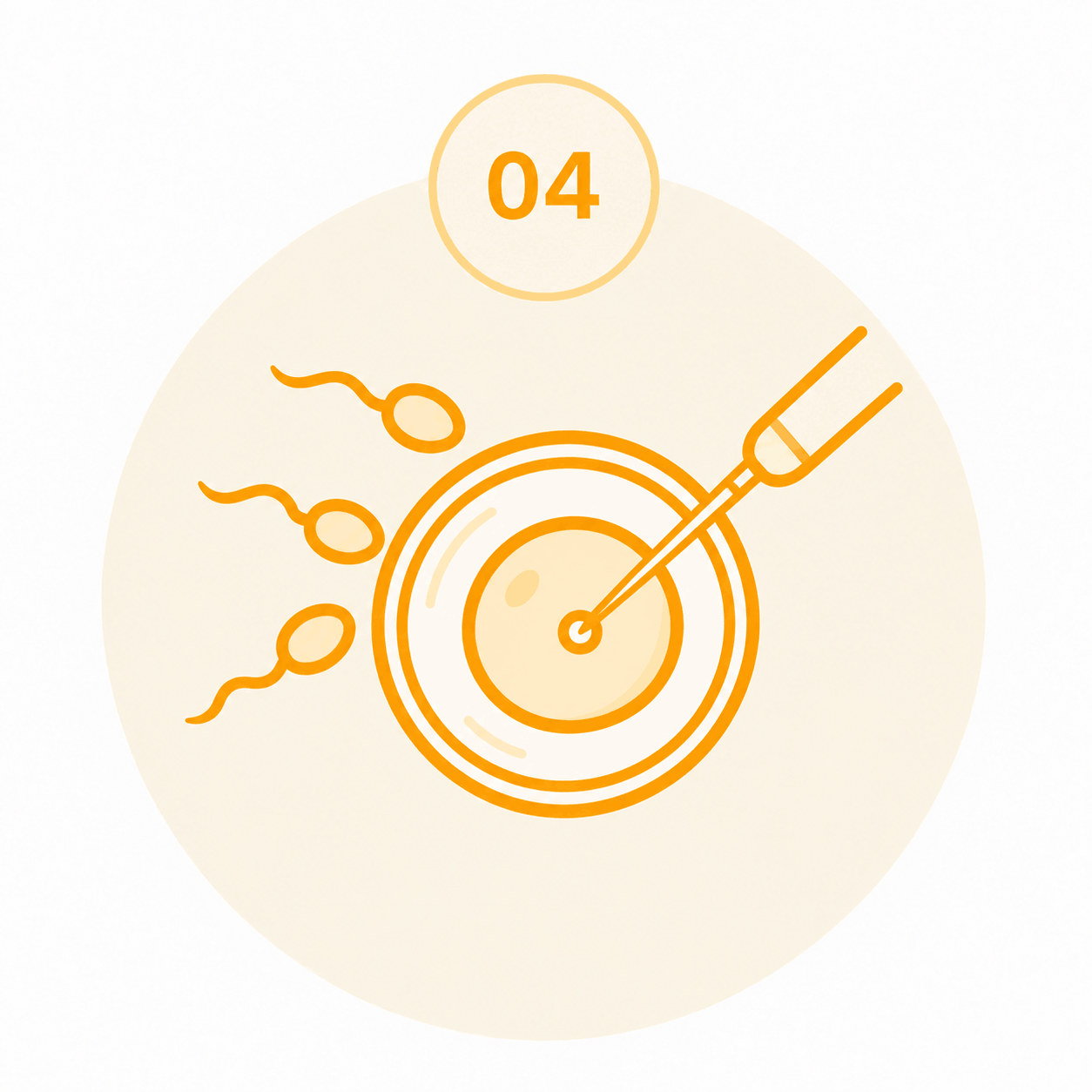
04 — Sperm Selection
The laboratory collects the selected sperm fraction for further assessment and use.
04 — Sperm Selection
The laboratory collects the selected sperm fraction for further assessment and use.
05 — Assisted Reproduction
Suitable sperm may be used for ICSI or another planned treatment, depending on clinical recommendations.
Laboratory Techniques Guided by Your Fertility Needs
Sperm selection is one part of assisted reproduction. The laboratory approach should reflect the semen findings and the couple’s treatment plan.

Experienced Fertility Specialists

Skilled Laboratory Professionals

Individualized Treatment Planning

Appropriate Sperm Preparation

Coordinated IVF/ICSI Care
UNDERSTANDING MICROFLUIDIC SPERM SORTING: FROM SAMPLE TO SELECTION
How It Works
Who May Need It
The Process
Treatment Costs
Possible Outcomes
Factors Affecting Outcomes
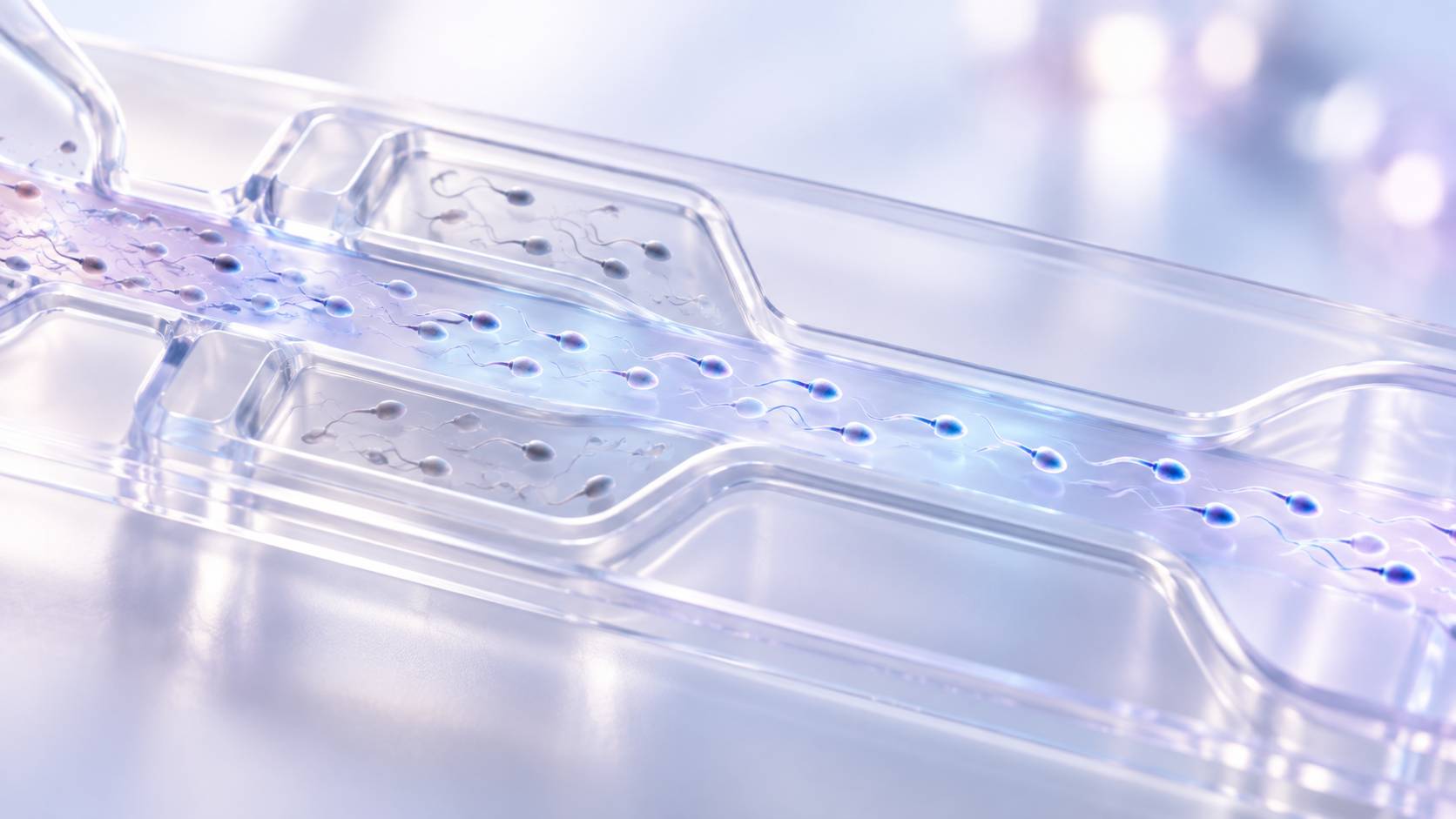
The technique uses microchannels to select sperm based on movement characteristics.
- • Processes a semen sample
- • Uses specialized microchannels
- • Selects sperm with favorable motility
- • Produces a selected sperm fraction
The technique offers an alternative to conventional sperm preparation in suitable cases.
The technique may be considered for selected assisted reproduction cycles.
- • Selected IVF/ICSI cycles
- • Certain sperm quality concerns
- • Cases requiring sperm selection
- • Patients assessed for suitability
The laboratory team determines whether the technique is appropriate for the sample and treatment plan.
Microfluidic sorting is performed in the fertility laboratory.
- • Assess the semen sample
- • Prepare the sample
- • Process it through the device
- • Collect the selected sperm
- • Use sperm as clinically indicated
The technique is a laboratory procedure, not a surgical treatment.
Costs depend on the laboratory services required.
- • Microfluidic device and consumables
- • Laboratory processing
- • Planned IVF/ICSI treatment
- • Additional laboratory services
- • Other cycle-related expenses
Confirm whether sperm sorting is included in the overall treatment estimate.
The technique selects sperm based on specific characteristics, but outcomes vary.
- • Sperm fraction selected
- • Favorable motility characteristics
- • Sperm available for treatment
- • Laboratory findings reviewed
- • Fertility outcomes assessed separately
Better sperm selection does not guarantee fertilization, implantation, or pregnancy.
Suitability and outcomes depend on several factors.
- • Initial semen quality
- • Sperm motility characteristics
- • Available sperm numbers
- • Laboratory assessment
- • Other fertility factors
Your fertility team can explain the potential benefits and limitations for your treatment cycle.
Questions You May Have Before Starting Microfluidic Sperm Sorting
It is natural to have questions about laboratory techniques used in fertility treatment. Here are some answers to help you understand this option.
1. What is microfluidic sperm sorting?
It is a laboratory technique that uses microchannels to select sperm based on movement characteristics.
2. How is it different from conventional sperm preparation?
It uses microchannels to select sperm rather than relying solely on conventional methods such as centrifugation-based processing.
3. Does it improve IVF success rates?
Evidence is still evolving. It may offer benefits in selected cases, but improved pregnancy or live birth rates are not guaranteed.
4. Is it suitable for every patient?
No. Suitability depends on semen characteristics, the planned treatment, and the laboratory's assessment.
5. Can it be used with ICSI?
Yes. Selected sperm may be used for ICSI when recommended by the fertility team.
Take the first step towards your dream
Find answers to some of the most frequently asked questions.