
WOMEN’S HEALTH • FERTILITY CARE

Recurrent Implantation Failure

Understand the factors that may affect embryo implantation and how a detailed review can help guide the next fertility treatment step.

What is recurrent implantation failure?

Implantation failure occurs when an embryo does not implant after embryo transfer. When implantation does not occur repeatedly, reviewing embryo, uterine and other fertility factors may help guide future treatment.

What can affect embryo implantation?

Pregnancy loss may result from different factors, sometimes occurring together.

Embryo chromosomal abnormalities
Uterine abnormalities

Endometrial factors
Hormonal factors
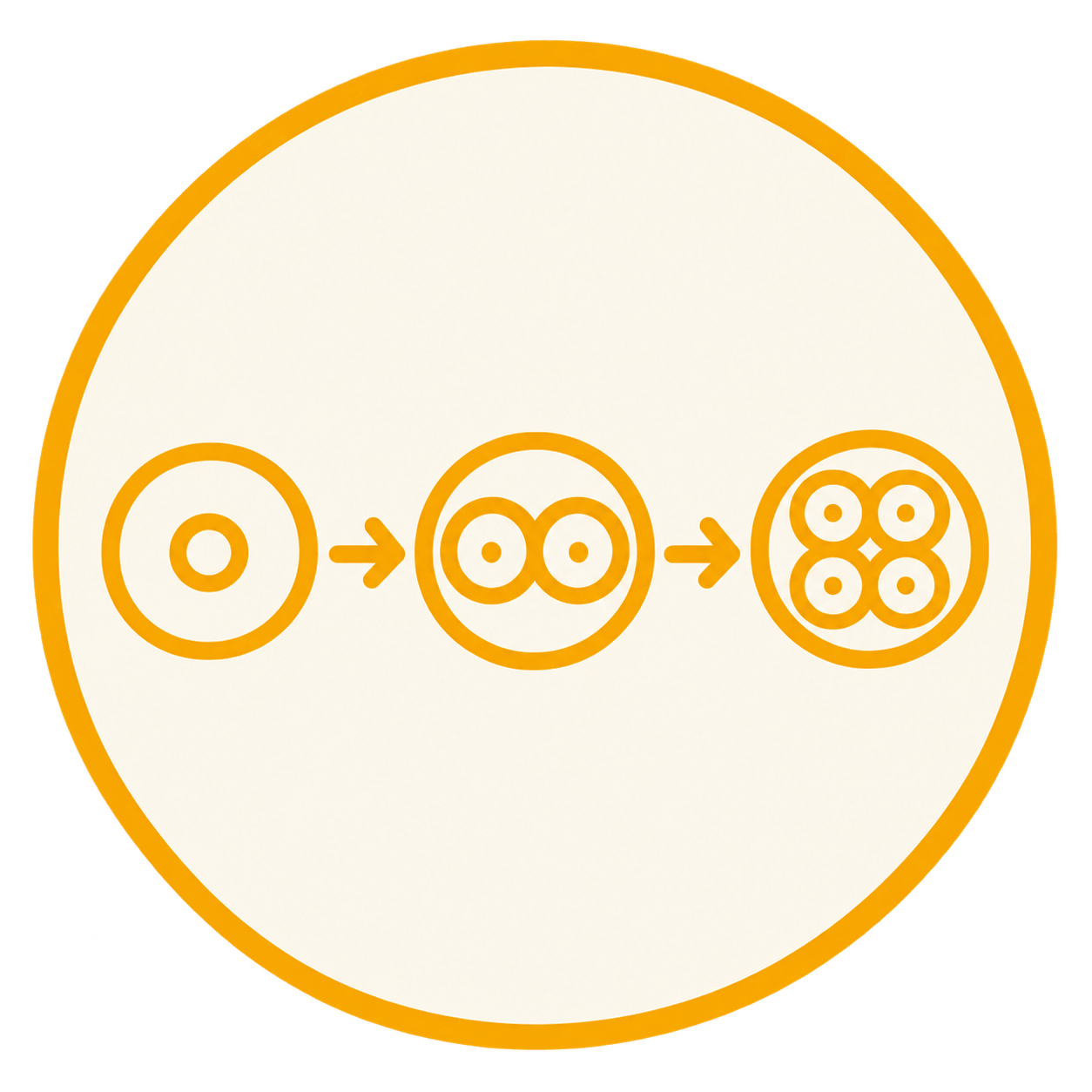
Embryo development
Age-related fertility factors
What may indicate recurrent implantation failure?

There may be no specific physical symptoms.

Repeated unsuccessful embryo transfers

Negative pregnancy tests after transfer

Previous implantation failure

Uterine abnormalities

Endometrial concerns

Embryo-related concerns

How is recurrent implantation failure evaluated?

A review of previous treatment can help identify areas that may need attention.

1. Previous Cycle Review

We assess previous IVF cycles, embryos and transfer outcomes.

2. Embryo Assessment

Embryo development and, when appropriate, genetic factors may be reviewed.

3. Uterine Assessment

The uterus and endometrial lining may be evaluated

4. Medical & Hormonal Review

Relevant hormonal, metabolic and other factors may be assessed.

Treatment Options for Recurrent Implantation Failure

Treatment is based on findings from the individual evaluation

Uterine Evaluation

Structural abnormalities may be identified and treated.

Endometrial Management

The uterine lining and transfer timing may be reviewed.

Embryo Assessment

Embryo development and genetic testing may be considered where appropriate.

Personalized Embryo Transfer

Transfer planning may be adjusted based on individual findings.

IVF Treatment Planning

Future cycles may be modified based on previous treatment outcomes.

Frequently Aksed Questions?

Possible factors include embryo quality, uterine conditions and endometrial factors.

No. Further evaluation may identify factors that can be addressed.

Yes. Uterine and endometrial assessment may be recommended.

Chromosomal abnormalities in embryos can affect implantation and pregnancy development.
Yes. The treatment plan may be reviewed and adjusted before another cycle.
No. Evaluation usually involves reviewing several possible factors.

A failed transfer does not have to mean the end of your fertility journey

Review your previous treatment and understand your next options