Laparoscopy TREATMENT AT GEN FERTILITY

A Closer Look at the Causes of Infertility

Laparoscopy may help diagnose and treat selected conditions affecting the reproductive organs.

Evaluating Reproductive Health

Laparoscopy allows specialists to examine the pelvic organs and treat certain abnormalities when indicated.

Endometriosis Assessment

Pelvic Adhesion Evaluation

Ovarian Cyst Management

Tubal Condition Assessment

Selected Fertility Surgeries

Steps in Laparoscopy

The procedure is planned according to your symptoms, investigation findings, and fertility goals.

01—Initial Evaluation

Your specialist reviews your medical history, symptoms, and relevant investigations.

02 —Plan the Procedure

The specialist determines whether diagnostic or operative laparoscopy is appropriate.

02 — Plan the Procedure

The specialist determines whether diagnostic or operative laparoscopy is appropriate.

03 — Access the Pelvic Area

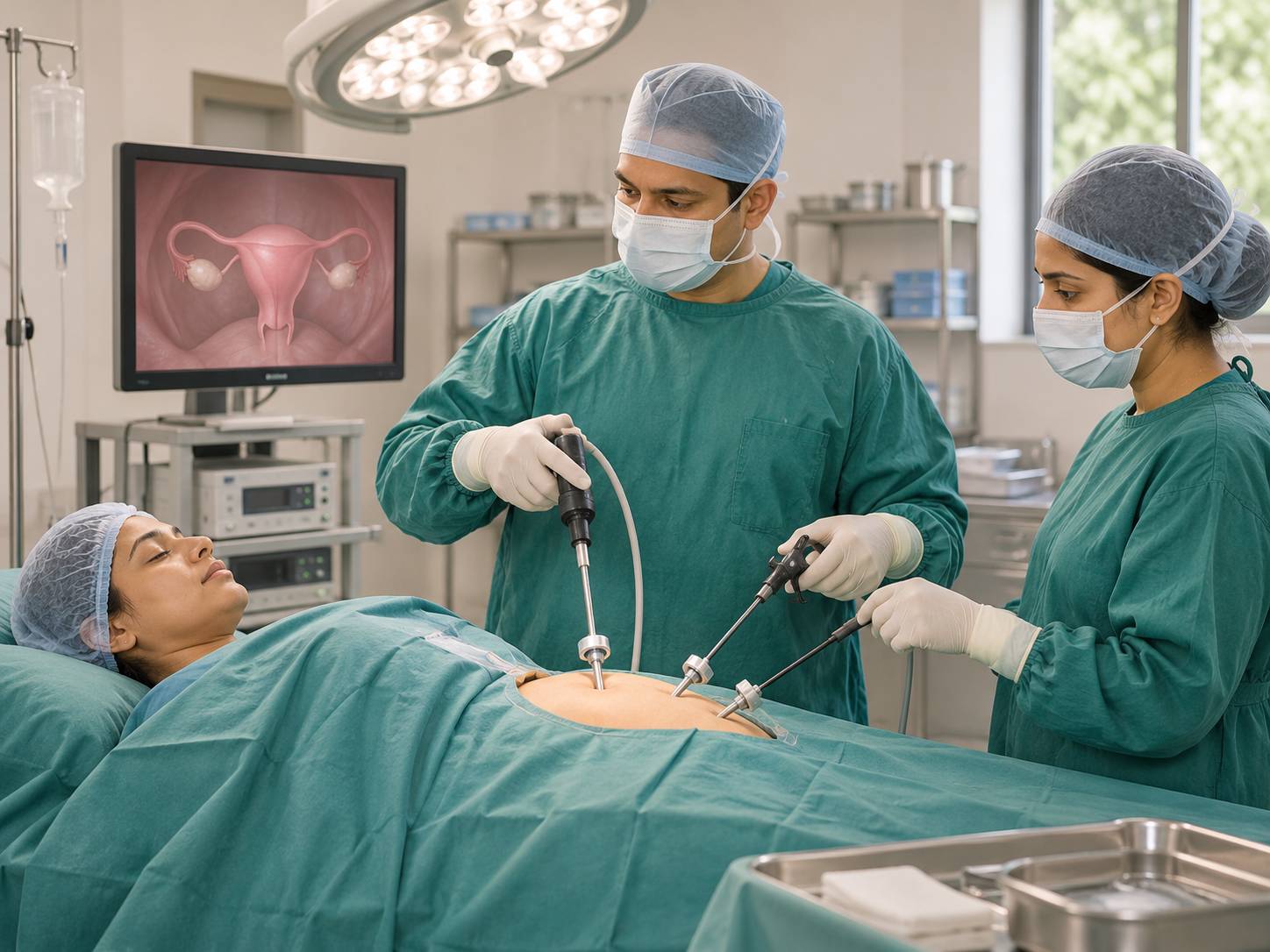
Under general anesthesia, small incisions are made in the abdomen, and a camera is inserted.

04 — Examine or Treat

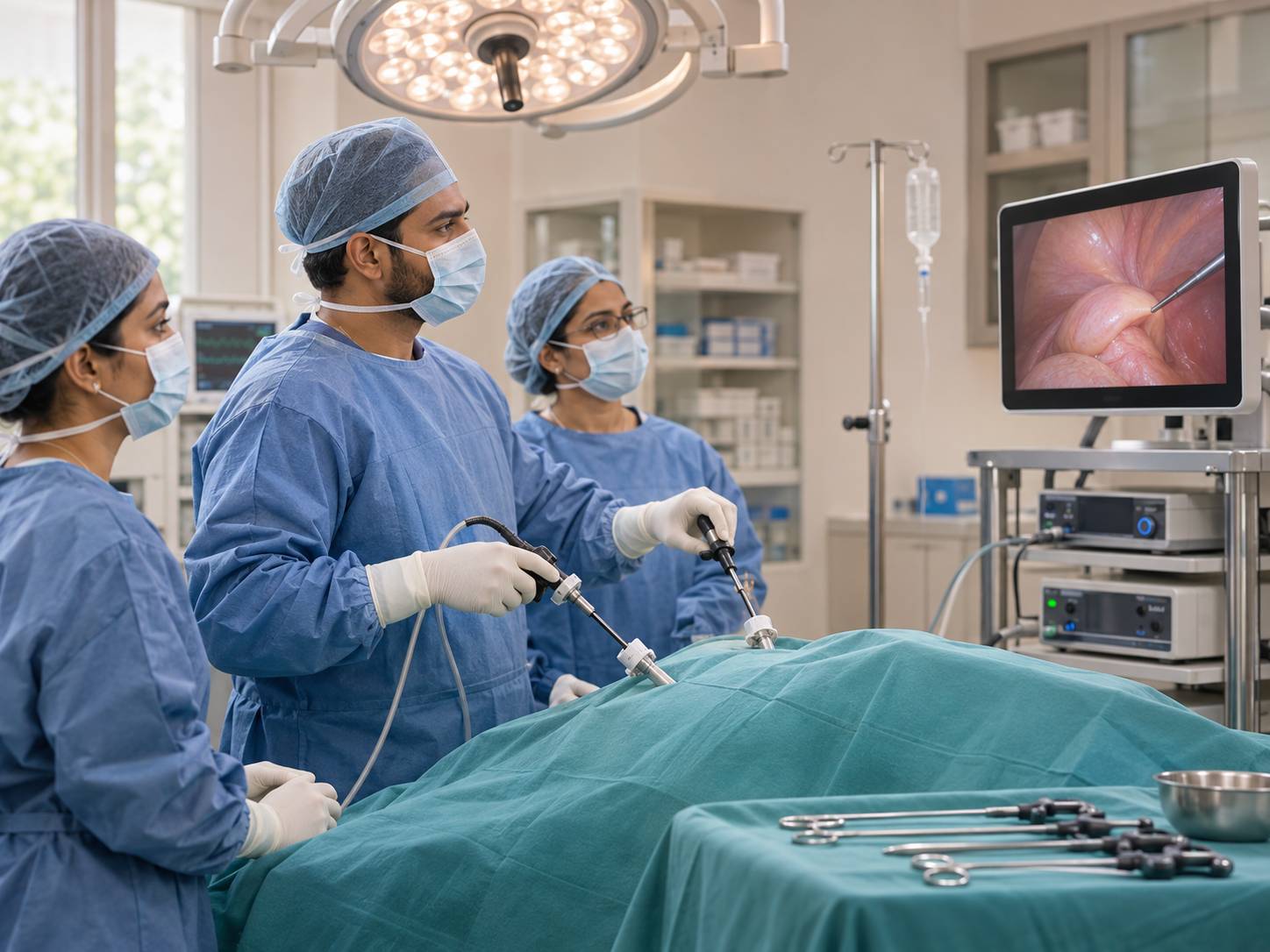
The surgeon examines the pelvic organs and may treat selected conditions during the procedure.

04 — Examine or Treat

The surgeon examines the pelvic organs and may treat selected conditions during the procedure.

05 —Recovery and Follow-Up

Your specialist reviews the findings and advises on recovery and the next steps in fertility treatment.

Fertility Care Guided by Individual Needs

Laparoscopy may address selected conditions affecting reproductive health. The decision to proceed should consider the likely benefits, risks, and alternatives.

Experienced Fertility Specialists

Individualized Treatment Planning

Condition-Specific Evaluation

Appropriate Surgical Management

Continued Fertility Guidance

UNDERSTANDING LAPAROSCOPY: FROM EVALUATION TO TREATMENT

Laparoscopy uses a camera inserted through small abdominal incisions.
It may help clarify the cause of certain fertility concerns.
Laparoscopy may be considered for selected pelvic conditions.
It is not necessary for every person experiencing infertility.
Laparoscopy is performed under general anesthesia.
The procedure and recovery depend on the complexity of the surgery.
Costs vary according to the procedure and clinical needs.
Request an estimate based on the planned surgery.
Findings help guide further treatment decisions.
Improved fertility is not guaranteed, and benefits vary by condition.
The potential benefits depend on individual clinical findings.
Your specialist will discuss the likely benefits, risks, and alternatives before recommending surgery.

Questions You May Have Before Starting Laparoscopy

It is natural to have questions before considering surgery. These answers can help you understand what to expect.
It may help diagnose or treat selected conditions involving the ovaries, fallopian tubes, and other pelvic structures.
It may help in selected cases, depending on the underlying condition and other fertility factors.
It is minimally invasive, but it remains surgery and carries potential risks.
Recovery varies according to the procedure performed and your individual health.
No. It is recommended only when clinically indicated. Many patients can proceed with fertility treatment without it.

Take the first step towards your dream

Find answers to some of the most frequently asked questions.