



- Home
- Donor Programs
DONOR PROGRAMS AT GEN FERTILITY
When Parenthood Needs Another Possibility.
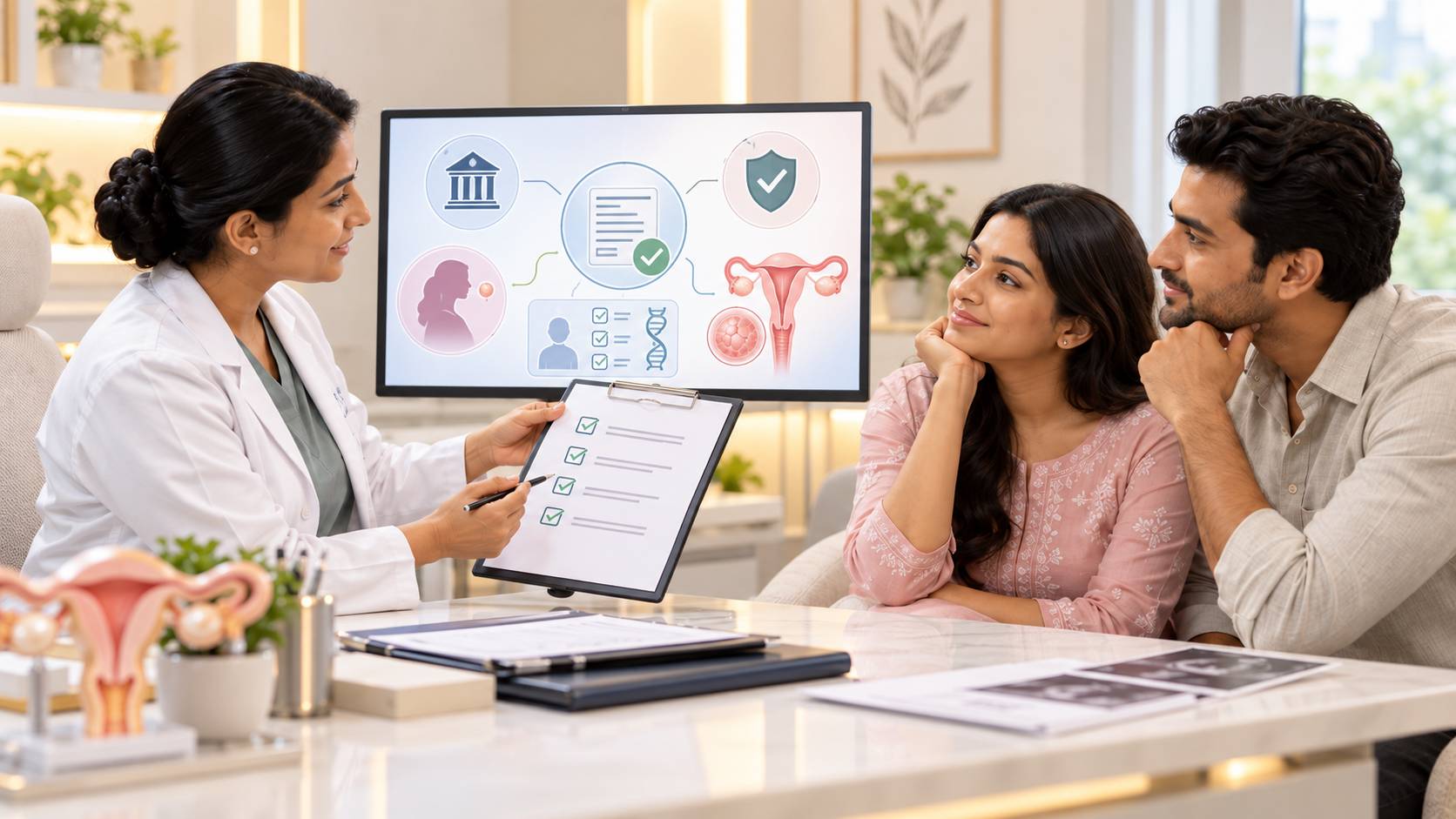
For some individuals and couples, using donor eggs, sperm or embryos may offer another pathway towards parenthood. At GEN Fertility, our donor fertility programs in Hyderabad are approached with sensitivity, confidentiality, appropriate medical evaluation and clear guidance, helping you understand each step before making important treatment decisions.
YOUR DONOR TREATMENT JOURNEY
One Hope. Five Thoughtfully Guided Steps.
A carefully planned donor journey centred around informed, ethical and personalised care.
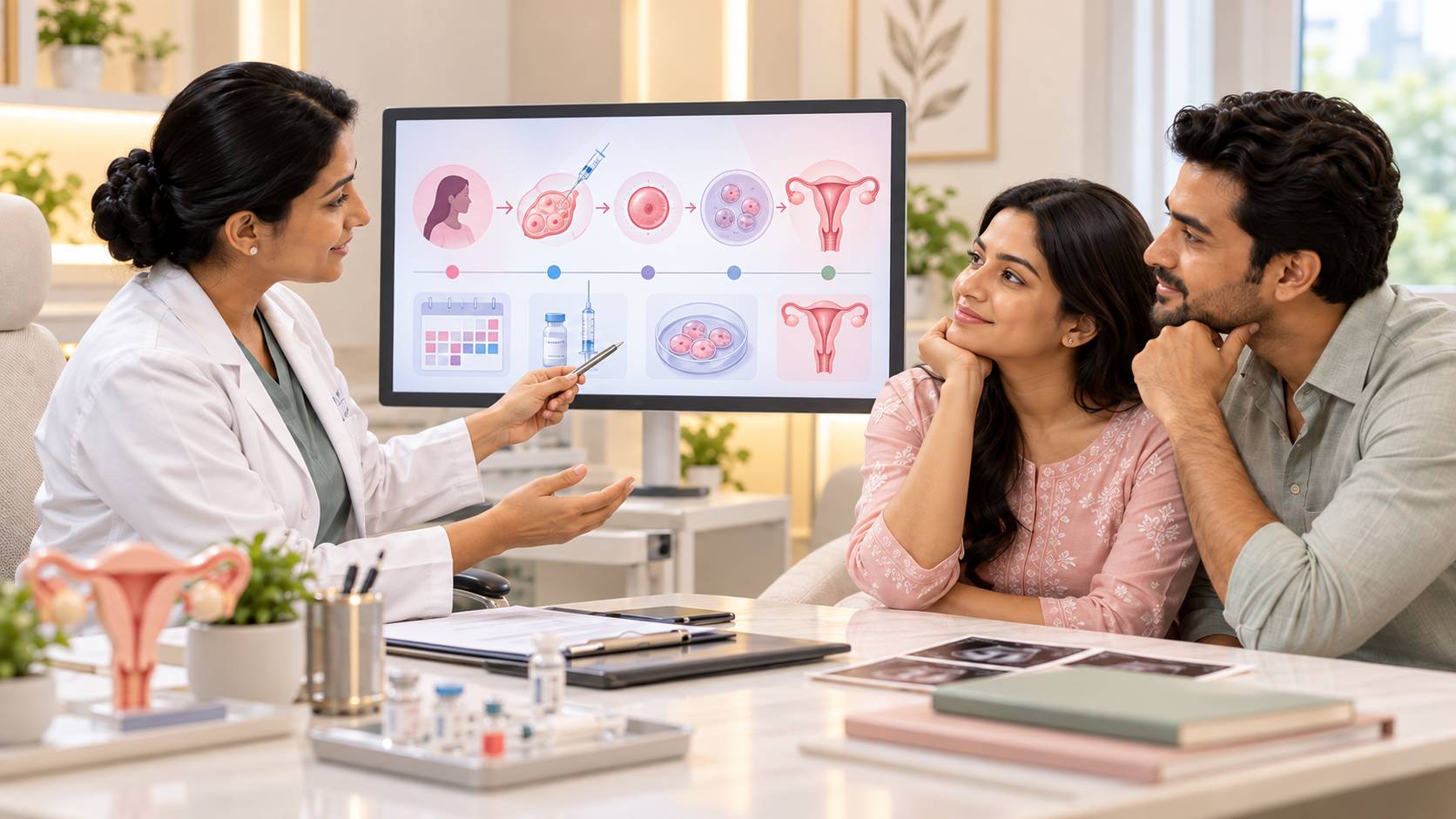
Fertility Evaluation & Counselling
Understanding Your Donor Options
Treatment Planning & Preparation
Fertilisation & Embryo Development
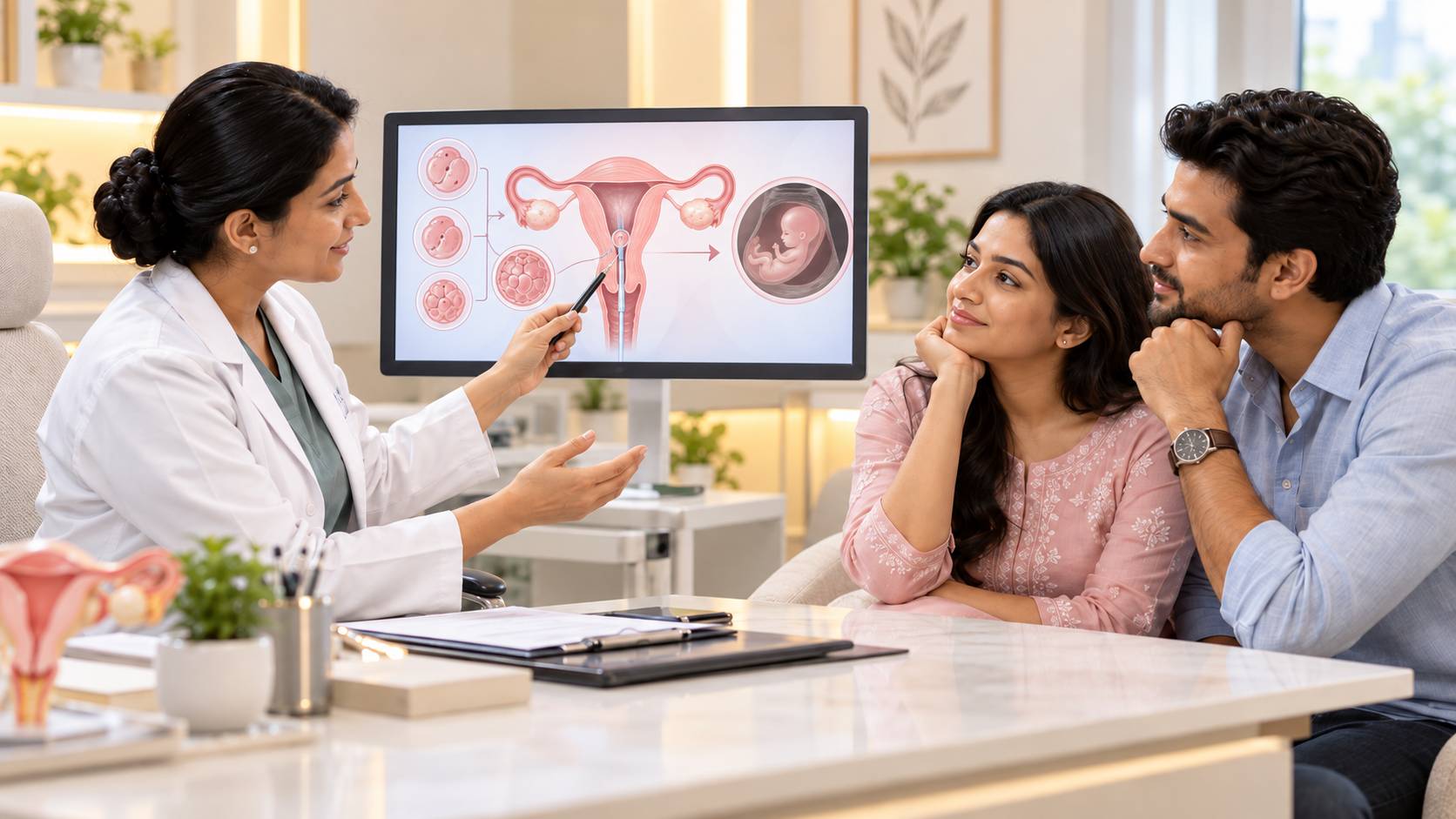
Embryo Transfer & Pregnancy Test
A Closer Look at Each Step
01— Fertility Evaluation & Counselling
Your fertility history, previous treatment, reproductive health and individual circumstances are carefully reviewed to understand whether donor-assisted treatment may be appropriate.
02 — Understanding Your Donor Options
Your specialist explains the available options—donor eggs, donor sperm or donor embryos—and helps you understand the medical process, considerations and applicable requirements.
02 — Understanding Your Donor Options
Your specialist explains the available options—donor eggs, donor sperm or donor embryos—and helps you understand the medical process, considerations and applicable requirements.
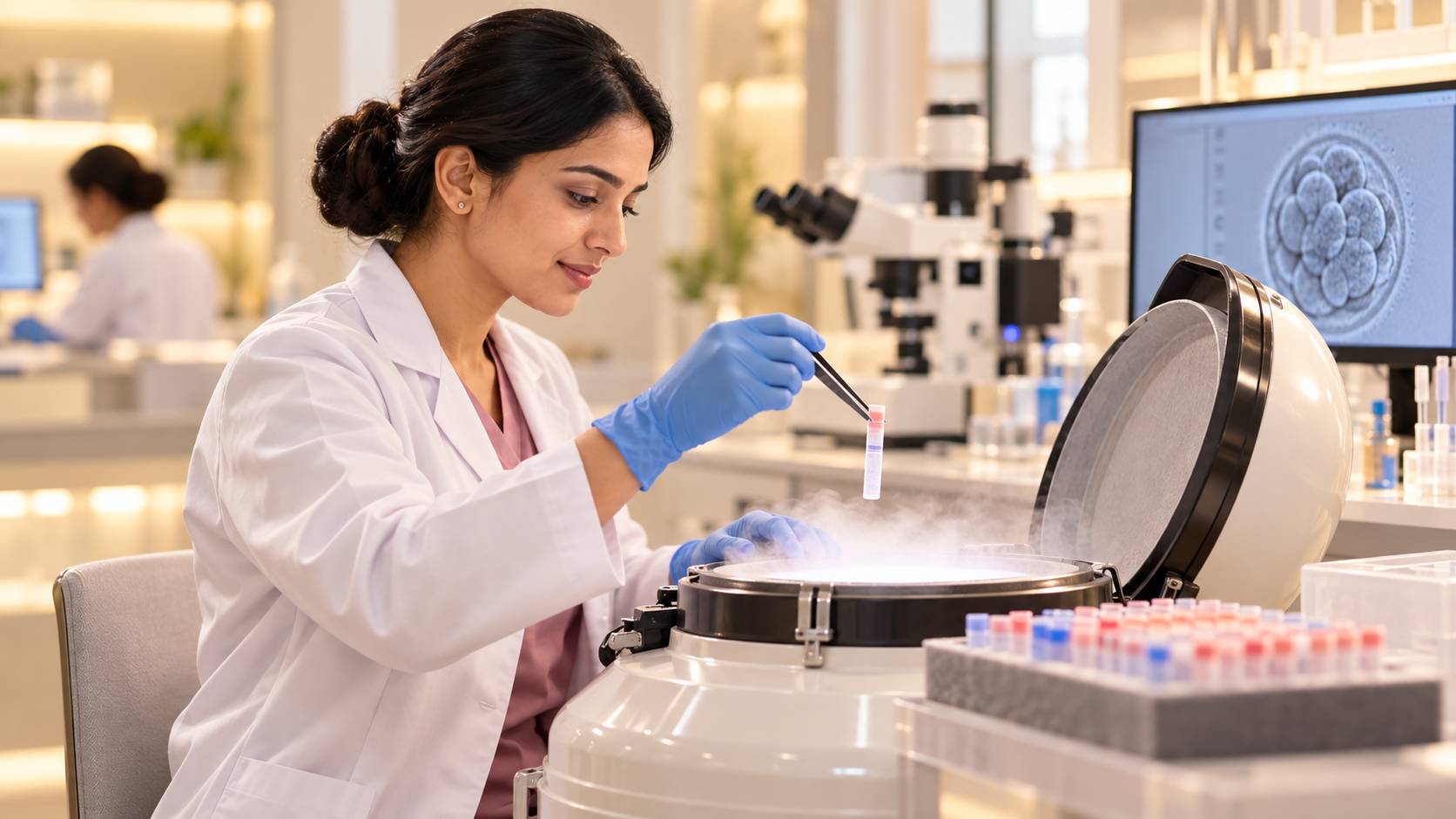
03 — Treatment Planning & Preparation
The treatment pathway is planned according to the donor program being used. This may include preparation of the uterus, laboratory planning and coordination of the required reproductive material.
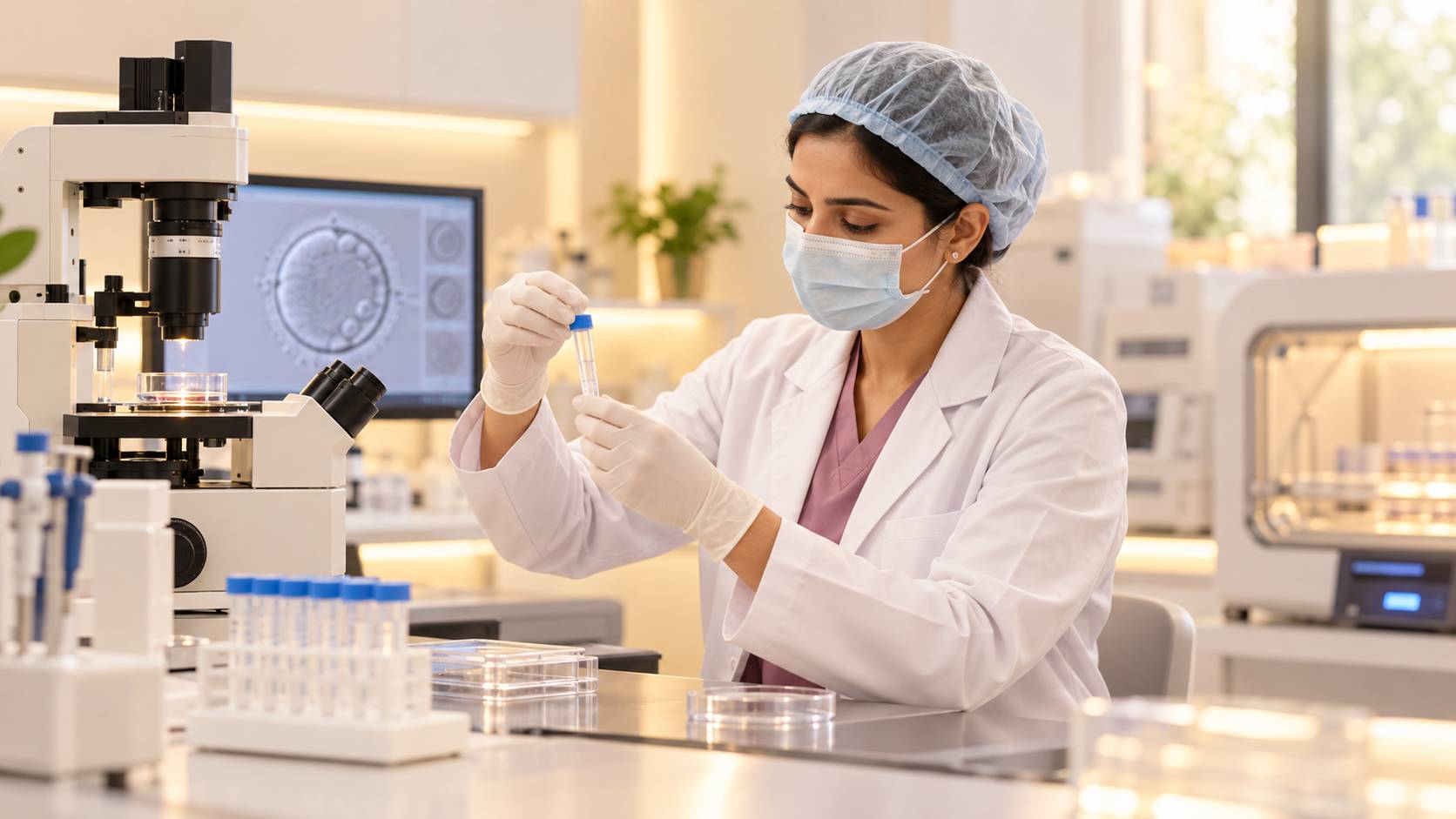
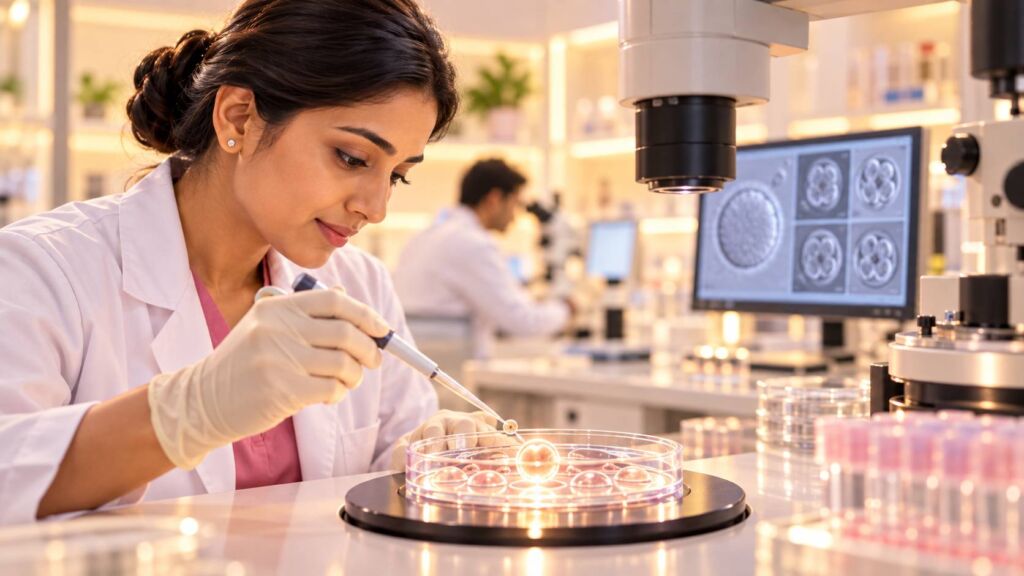
04 — Fertilisation & Embryo Development
When donor eggs or donor sperm are used, fertilisation may be performed through IVF or ICSI as clinically appropriate. Embryos are then monitored in the embryology laboratory.
04 — Fertilisation & Embryo Development
When donor eggs or donor sperm are used, fertilisation may be performed through IVF or ICSI as clinically appropriate. Embryos are then monitored in the embryology laboratory.
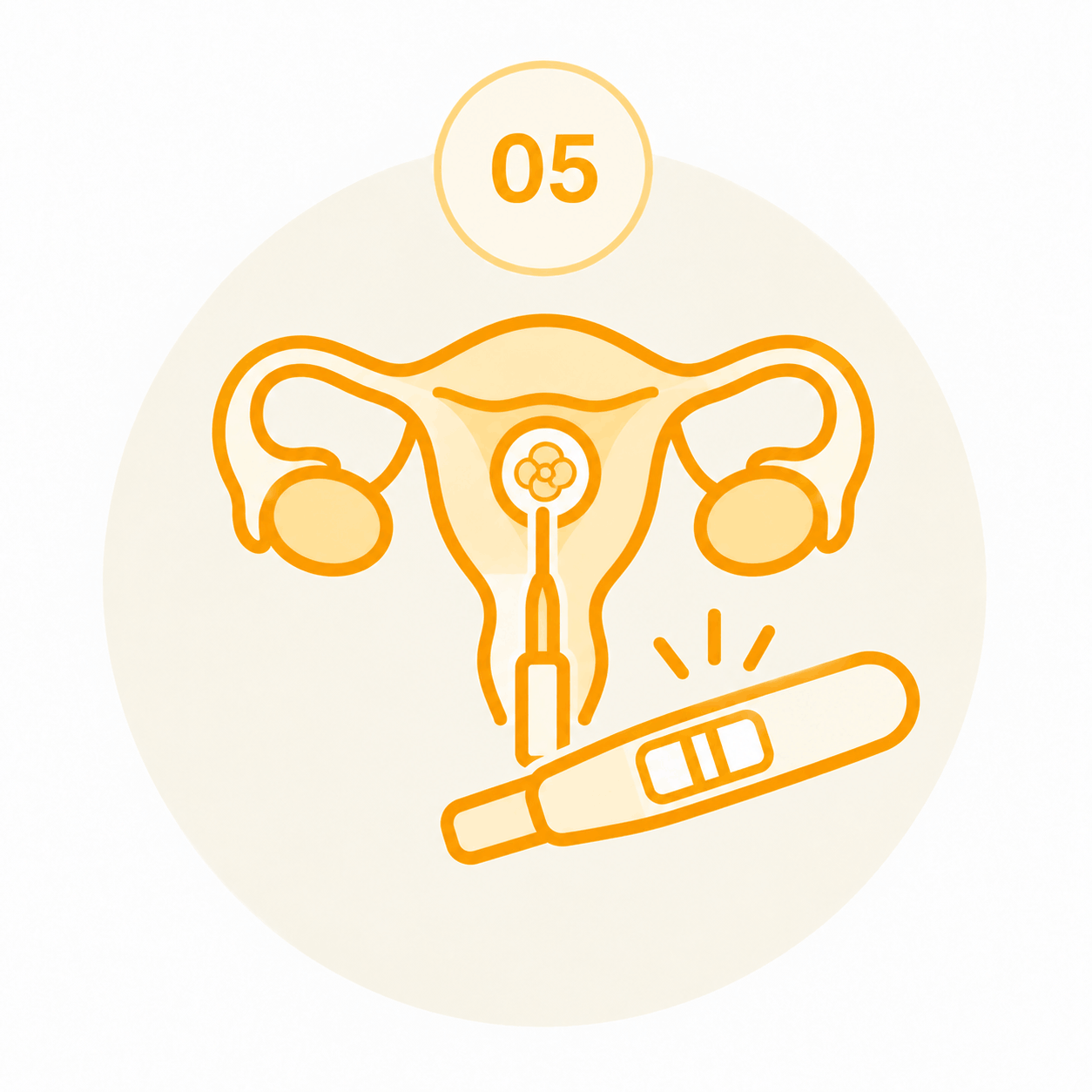
05 — Embryo Transfer & Pregnancy Test
An appropriate embryo may be transferred into the uterus. Your fertility team then guides you through post-transfer care and the timing of your pregnancy test.
OUR DONOR PROGRAMS
Different Pathways. The Same Hope of Parenthood.
Donor Egg Program
Donor egg treatment may be considered when using a patient’s own eggs is unlikely to be suitable or has not resulted in pregnancy. Donor eggs are fertilised with sperm and an appropriate resulting embryo may be transferred to the intended mother’s uterus.
Donor Sperm Program
Donor sperm may be considered in certain cases of severe male-factor infertility or other appropriate medical circumstances. The sperm may be used as part of IUI, IVF or ICSI depending on individual fertility needs.
Donor Embryo Program
Donor embryo treatment may be considered when using both partners’ own reproductive cells is not appropriate or has been unsuccessful. An appropriate donor embryo may be transferred after preparation of the uterus.
UNDERSTANDING DONOR-ASSISTED FERTILITY CARE
Clear Answers for an Important Decision
Who May Consider Donor Treatment?
How Are Donor Programs Planned?
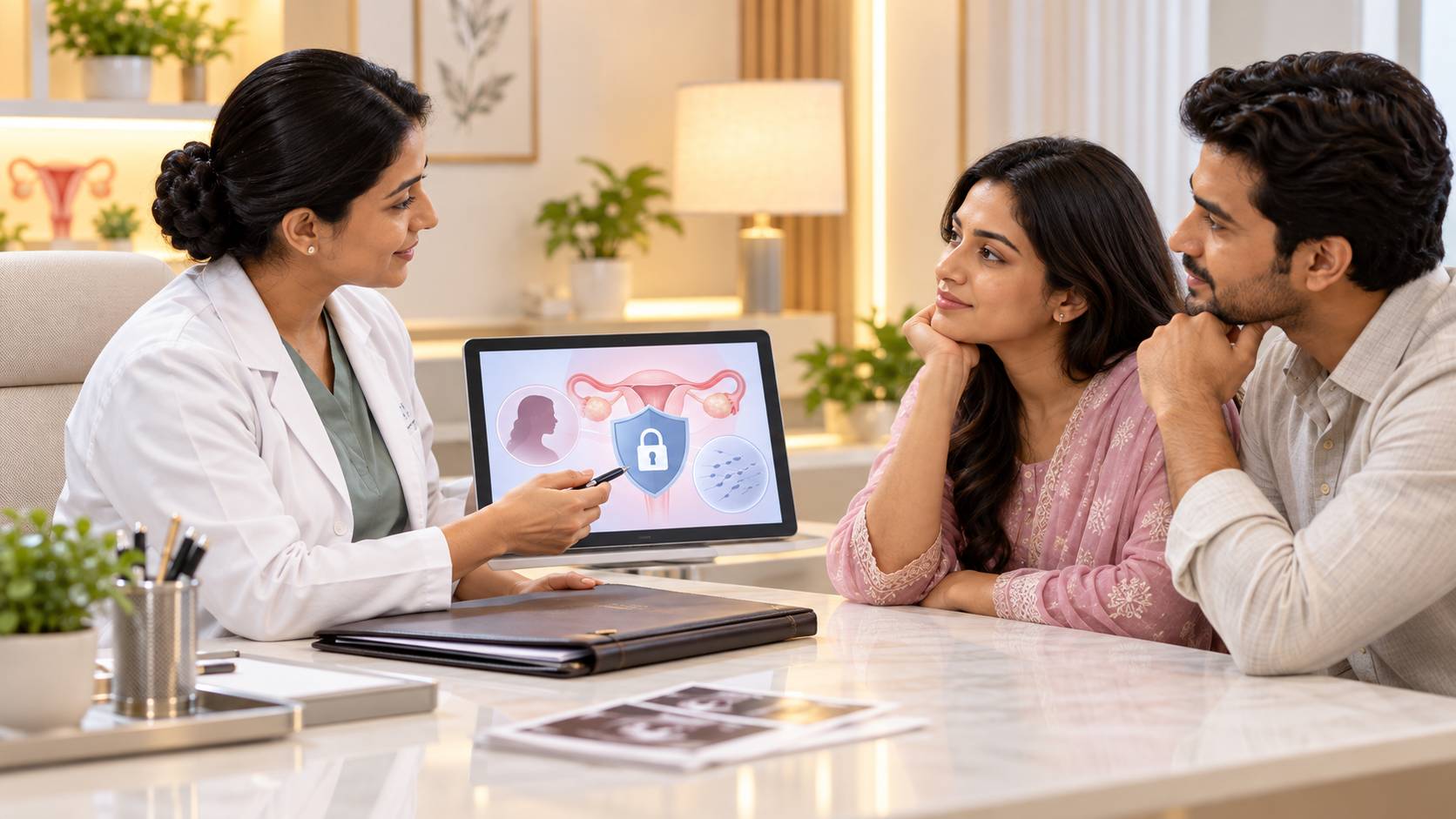
Is Donor Treatment Confidential?
Does Donor Treatment Guarantee Pregnancy?
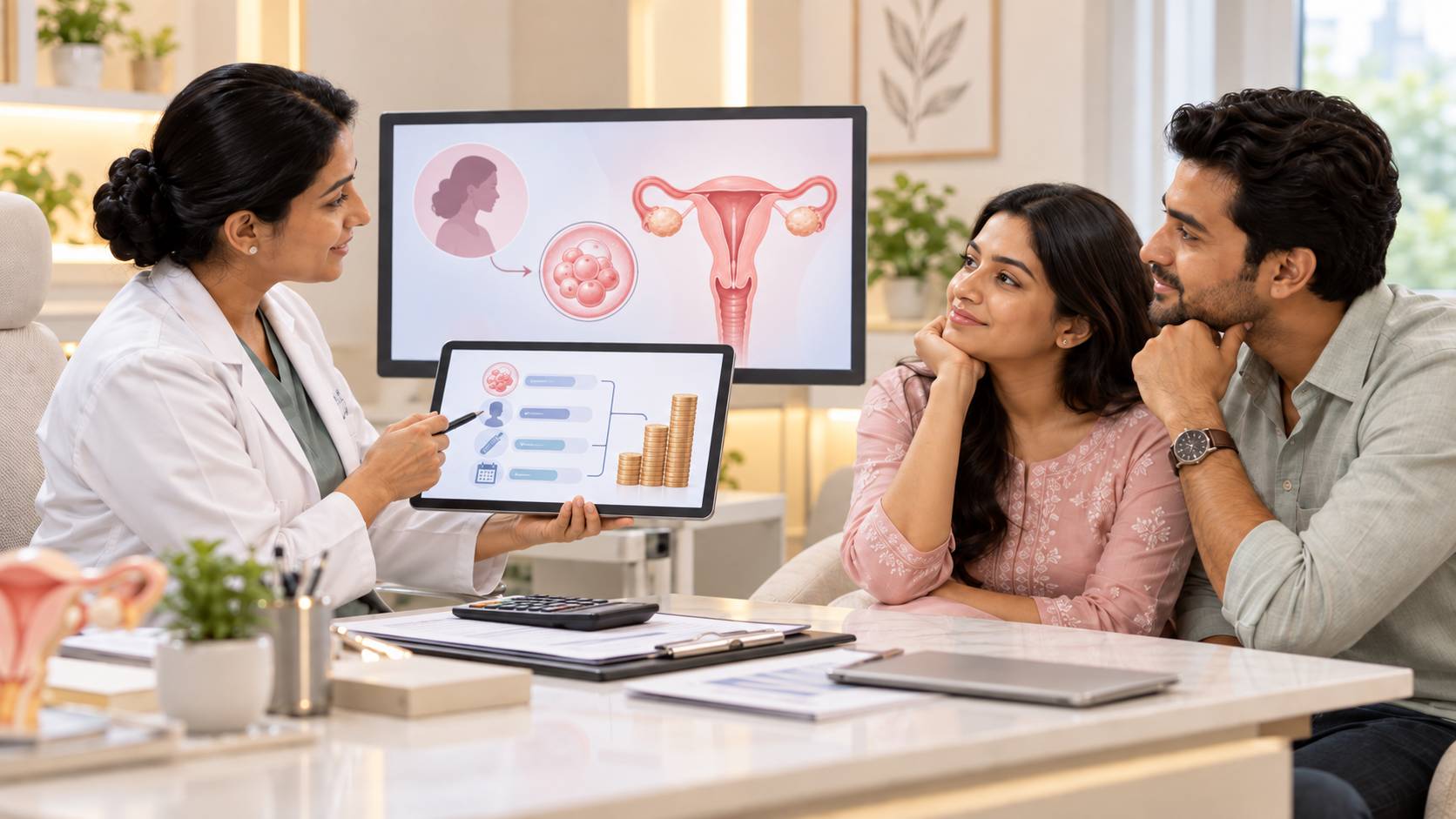
Donor Program Cost
What Regulations Apply?
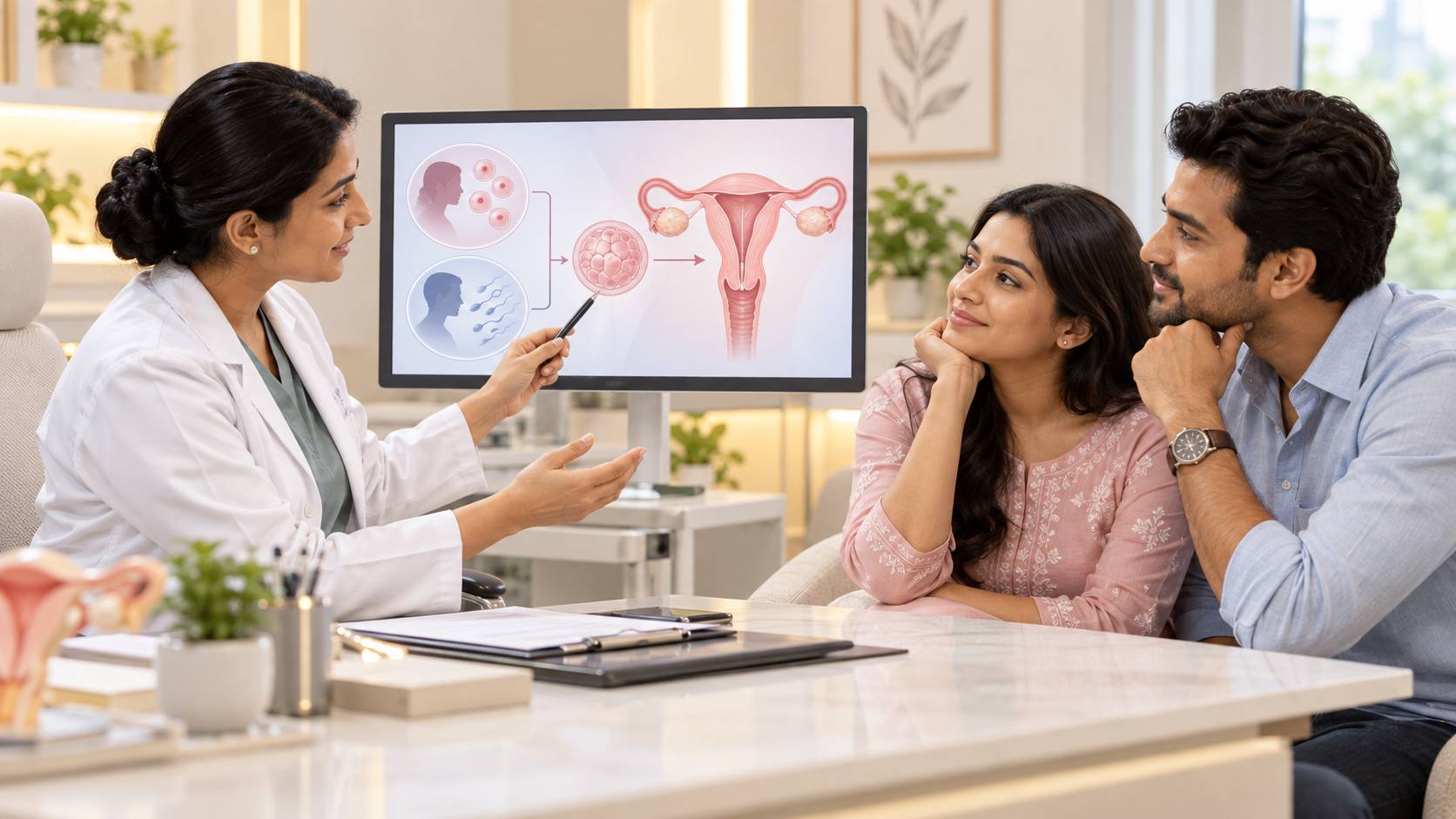
Donor-assisted fertility treatment may be considered for diminished ovarian reserve, certain genetic or medical conditions, severe male-factor infertility, repeated unsuccessful fertility treatment or other circumstances identified during fertility evaluation.
The process depends on whether donor eggs, sperm or embryos are used. Your specialist will explain the appropriate clinical pathway after reviewing your individual circumstances.
Donor programs are handled with appropriate sensitivity and confidentiality, subject to applicable laws, regulations and record-keeping requirements.
No fertility treatment can guarantee pregnancy. Outcomes can depend on embryo development, uterine health, treatment factors and other individual circumstances.
The cost of donor-assisted fertility treatment can vary according to the donor program, investigations, medications, IVF/ICSI requirements, laboratory procedures and other components of the personalised treatment plan.
Donor-assisted reproductive treatment is subject to applicable Indian ART laws, regulations and eligibility requirements. Your fertility team should explain the requirements relevant to your circumstances before treatment begins.
FAQs — Fertility Preservation
1. What is fertility preservation?
Fertility preservation involves freezing and storing eggs, sperm or embryos for possible use in future fertility treatment.
2. What is the best age to freeze eggs?
There is no single age that is right for everyone. Because egg quantity and quality generally decline with age, discussing preservation earlier may provide more clarity about your individual options.
3. Does freezing eggs guarantee pregnancy later?
No. Egg freezing preserves an opportunity for future treatment but does not guarantee pregnancy. Outcomes depend on factors including age when the eggs were frozen, number and quality of eggs, reproductive health and future treatment.
4. Is egg freezing painful?
The process involves fertility injections, monitoring and an egg-retrieval procedure. Some women experience temporary bloating, tenderness or discomfort. Your fertility team will explain what to expect.
5. What is the difference between egg and embryo freezing?
Egg freezing preserves unfertilised eggs. Embryo freezing involves fertilising eggs with sperm first and then freezing suitable embryos.
6. Can men preserve their fertility?
Yes. Sperm can be cryopreserved for potential future use, including before certain medical treatments or for other appropriate fertility-related circumstances.
Take the first step towards your dream
Find answers to some of the most frequently asked questions.