







- Home
- Fertility Care
- Female Fertility
Female FERTILITY CARE
Female Infertility Treatment in Hyderabad | With Care That Understands You
When pregnancy is taking longer than you hoped, you deserve more than answers you deserve care that understands your journey. At GEN Fertility and IVF, we help identify what may be affecting your fertility and guide you towards the right next step with personalised, compassionate care.
What Could Be Affecting Your Fertility?
Pregnancy can take longer for many different reasons. Understanding what may be affecting your fertility is the first step towards finding the right way forward.
Ovulation & PMOS
Hormonal changes may affect regular ovulation and make conception more difficult.
Endometriosis
Egg Reserve & Age
Tubal & UterineFactors
How We Understand Your Fertility
There isn’t one test that tells the whole story. At GEN Fertility, we look at the different factors involved in conception to understand what may need attention.
Your Fertility Story
We begin with your cycles, health history, symptoms and how long you’ve been trying.
Hormones & Ovulation
Ovarian Reserve
Uterus & Fallopian Tubes
Your Fertility Plan
Why Choose Gen
We Treat the Cause, Not Just the Concern
At GEN Fertility, your care begins with understanding why pregnancy may be taking longer. Every recommendation is based on your fertility needs, your health and where you are in your journey.

Experienced Fertility Specialists
Expert evaluation and guidance for a wide range of female fertility concerns.

Personalised Care Plans
Your fertility findings guide your care not a one-size-fits-all treatment pathway.

Advanced Fertility Care
From fertility evaluation to assisted reproductive treatments when clinically appropriate.

Care Beyond Treatment
Clear conversations, compassionate guidance and support throughout your fertility journey.

When Is It Time to Talk to a Fertility Specialist?
You don’t have to wait until fertility concerns become overwhelming. Sometimes, seeking answers earlier can help you better understand your reproductive health and options.
You’ve Been Trying Without Success
Consider a fertility evaluation after approximately:
- 12 months of trying if you are under 35
- 6 months of trying if you are 35 or older
- Earlier assessment may be appropriate when known fertility concerns are present.
Your Body Is Giving You Clues
- Irregular or absent periods
- Severe period or pelvic pain
- Known PCOS or endometriosis
- Previous pelvic infections or surgery
- Recurrent pregnancy loss
- Concerns about ovarian reserve
You don’t need to have all the answers before asking for help. Sometimes, one conversation is where clarity begins.
Not Every Fertility Concern Needs IVF
Treatment depends on what may be affecting your fertility, along with your age, ovarian reserve, reproductive history and other individual factors. At GEN, we recommend the next step based on what is appropriate for you.

Ovulation Induction
Supporting regular ovulation when ovulatory concerns are affecting conception.

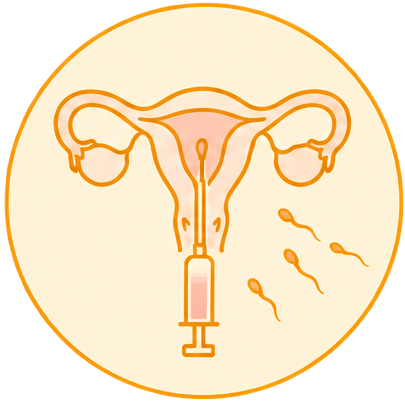
IUI
A simpler assisted conception option that may be appropriate for selected fertility needs.

IVF
Advanced fertility treatment that may be considered when natural conception or other approaches are less suitable.
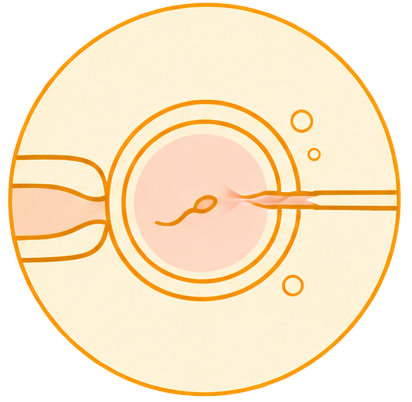
ICSI
An assisted fertilisation technique that may be recommended for specific fertilisation or sperm-related concerns.
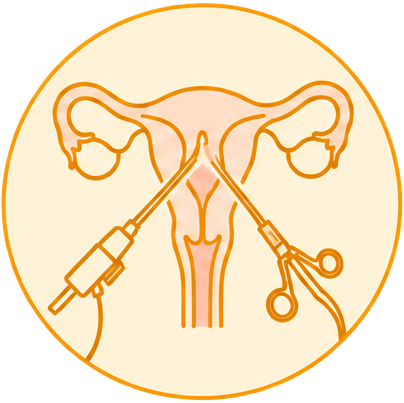
Hysteroscopy & Laparoscopy
Used in selected cases to evaluate or manage certain uterine and pelvic conditions.
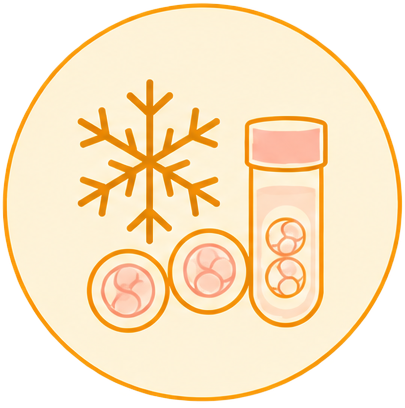
Fertility Preservation
Options for women who may wish or need to preserve their fertility for the future.

Common Questions About IVF
Find answers to some of the most frequently asked questions.
1. When should I consult a fertility specialist?
If you are under 35 and have been trying for 12 months, or 35 or older and trying for 6 months, consider a fertility evaluation. Earlier evaluation may be appropriate if you have known fertility concerns.
2. What are the common causes of female infertility?
Common causes include ovulation disorders, PCOS, endometriosis, blocked fallopian tubes, diminished ovarian reserve, uterine conditions and age-related fertility changes.
3. What tests are done to check female fertility?
Evaluation may include hormone tests, AMH or other ovarian reserve assessment, pelvic ultrasound and tests to assess the uterus and fallopian tubes, depending on your needs.
4. Does low AMH mean I cannot get pregnant?
No. Low AMH generally indicates a lower ovarian reserve, but it does not by itself determine whether pregnancy is possible. Age and other fertility factors also matter.
5. Does every fertility problem require IVF?
No. Depending on the cause, options may include ovulation induction, IUI, treatment of underlying conditions or IVF/ICSI when clinically appropriate.
Take the first step towards your dream
Find answers to some of the most frequently asked questions.