- Home
- Hysteroscopy
Hysteroscopy TREATMENT AT GEN FERTILITY
A Closer Look at the Uterine Cavity
Hysteroscopy helps evaluate the inside of the uterus and may allow certain abnormalities to be treated.
Evaluating the Uterus for Fertility
Hysteroscopy may help identify or treat selected uterine conditions that can affect reproductive health.
Uterine Cavity Examination
Endometrial Polyp Assessment
Fibroid Evaluation
Intrauterine Adhesion Assessment
Fertility-Related Investigations
Steps in Hysteroscopy
The procedure is recommended according to symptoms, investigation findings, and fertility goals.
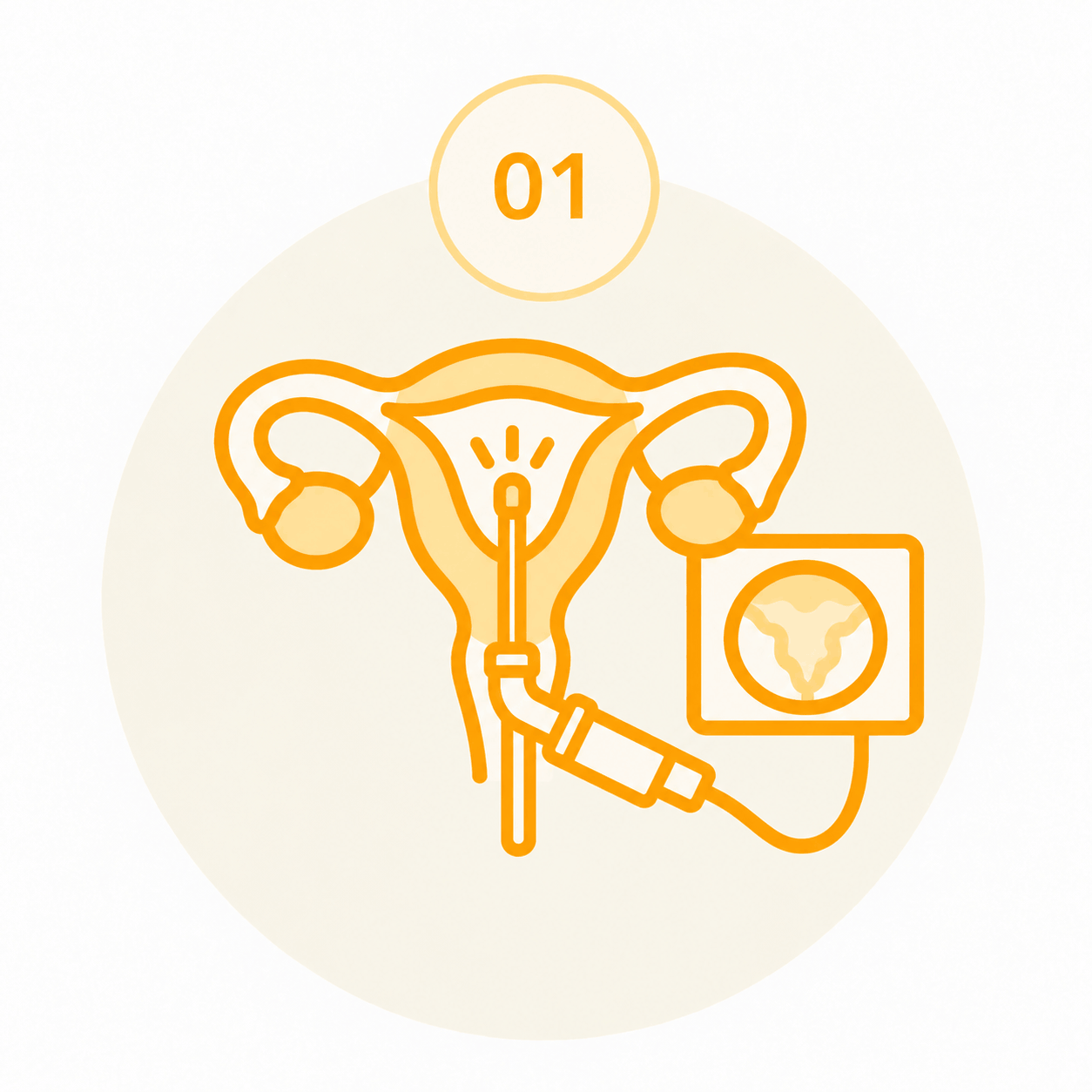
01—Initial Evaluation
Your specialist reviews symptoms, medical history, and relevant imaging or test results.
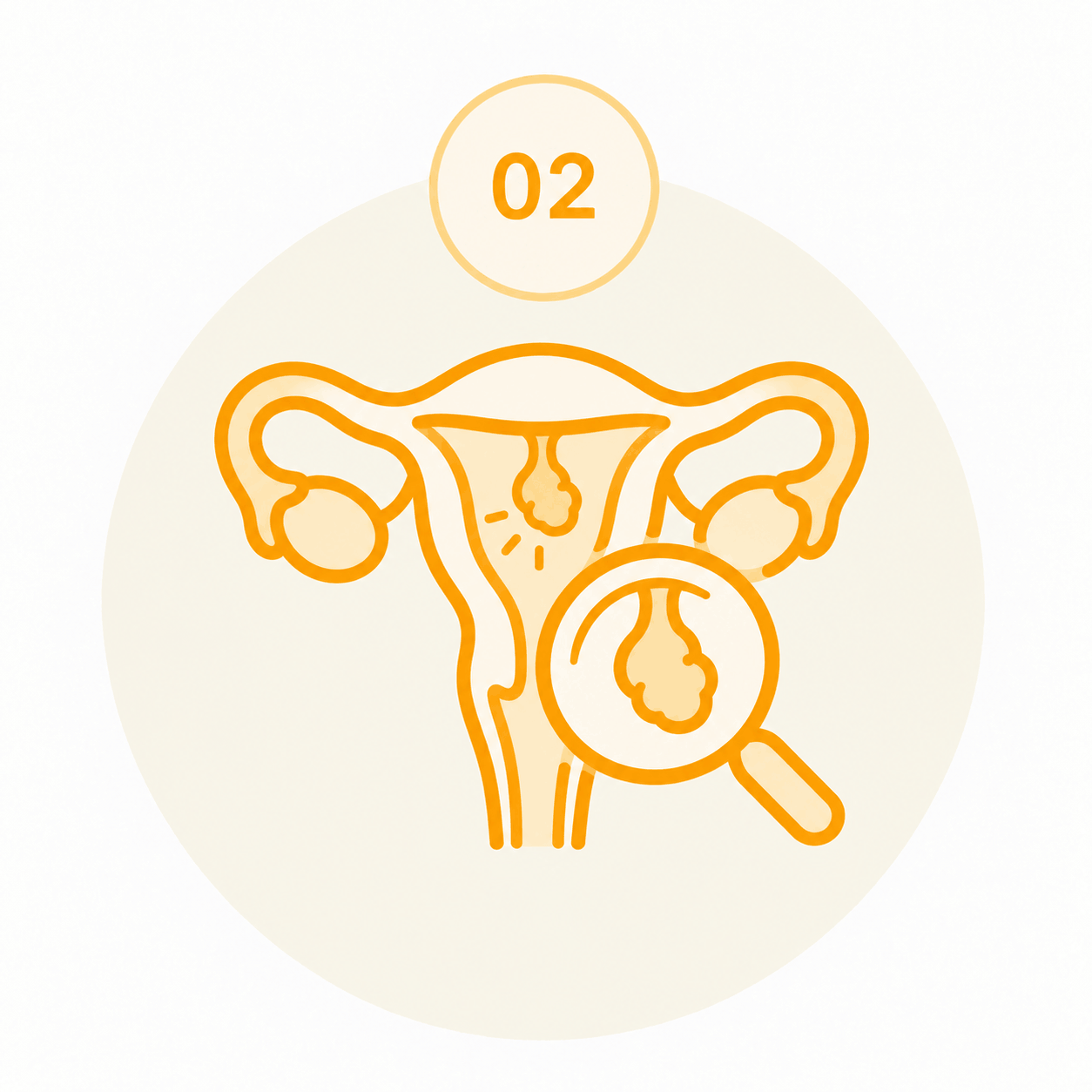
02 —Procedure Planning
The specialist determines whether diagnostic or operative hysteroscopy is appropriate.
02 — Procedure Planning
The specialist determines whether diagnostic or operative hysteroscopy is appropriate.
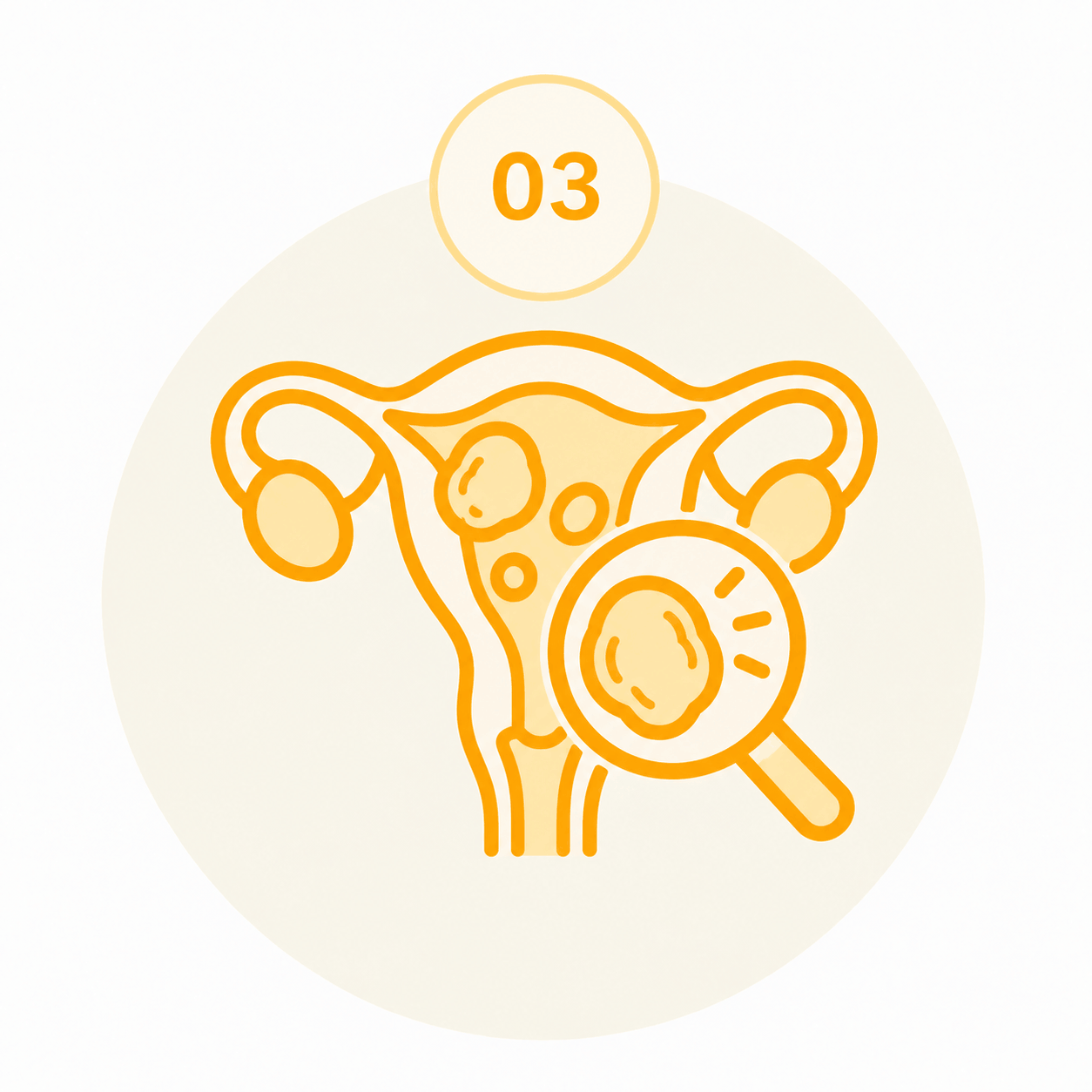
03 — Hysteroscopic Examination
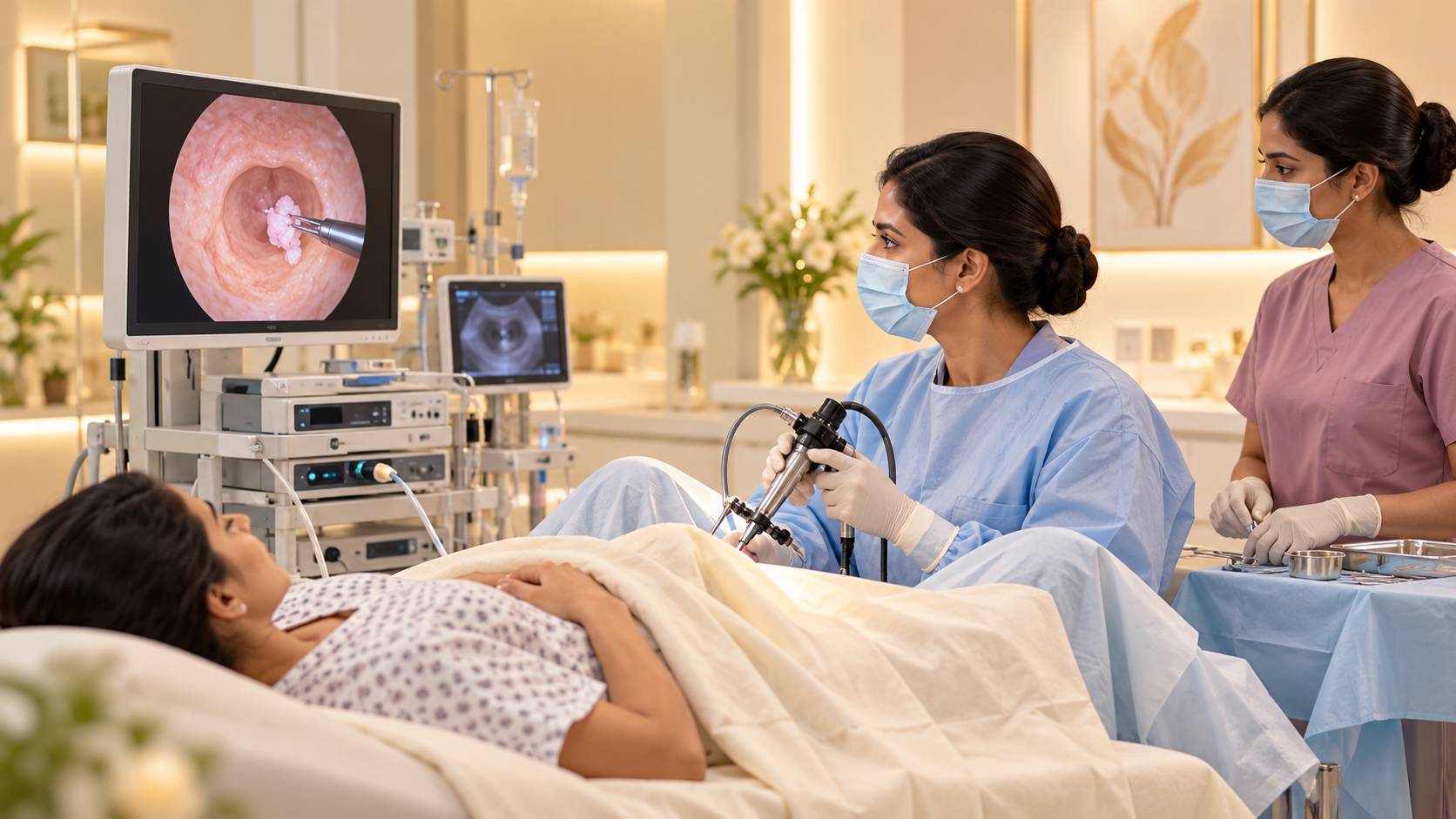
A thin instrument with a camera is passed through the cervix to examine the uterine cavity.
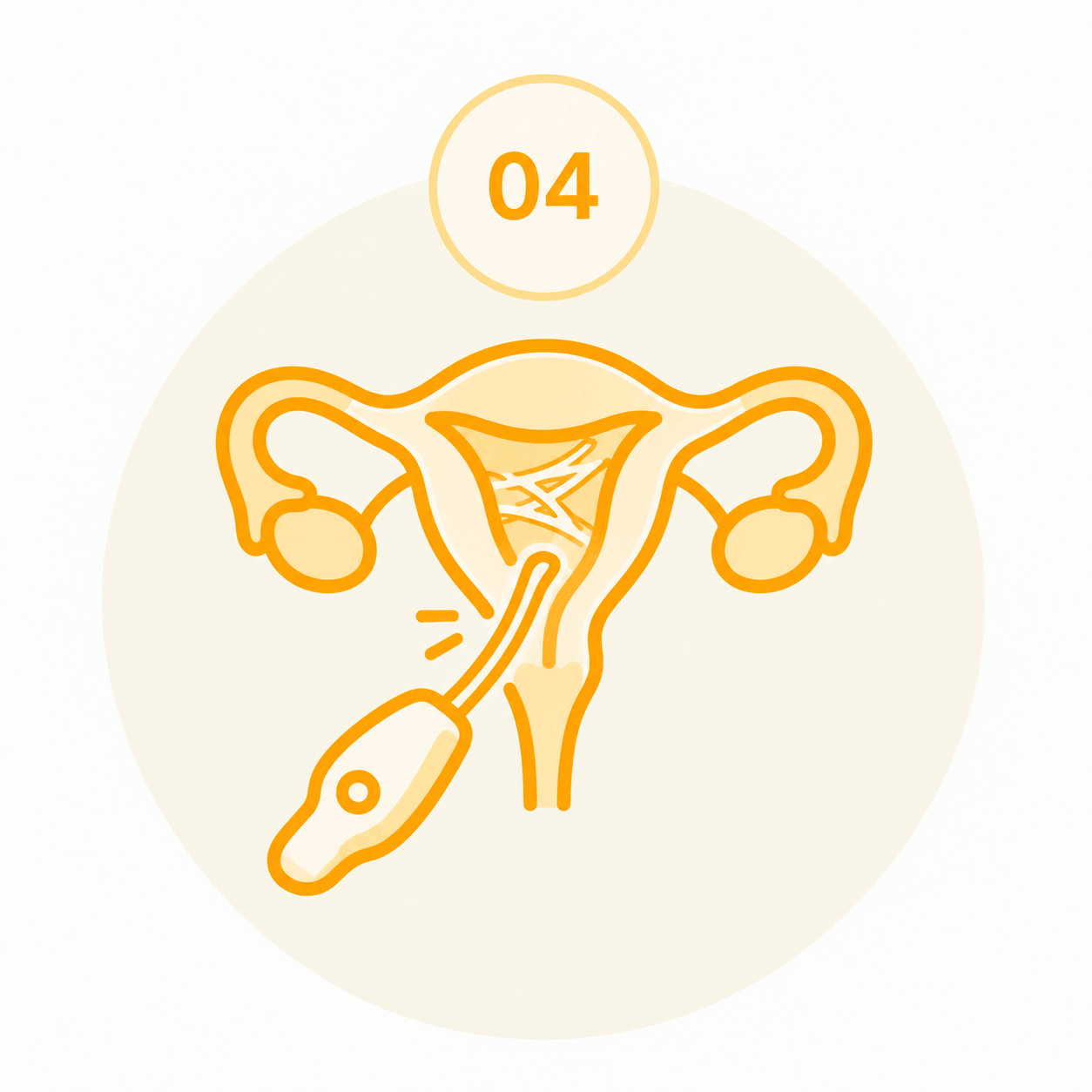
04 — Treat Selected Findings
If indicated, certain polyps, adhesions, or fibroids may be treated during the procedure.
04 — Treat Selected Findings
If indicated, certain polyps, adhesions, or fibroids may be treated during the procedure.
05 —Recovery and Follow-Up
Your specialist explains recovery, reviews findings, and discusses any further fertility treatment.
Care That Looks Beyond the Procedure
Understanding the uterine cavity is one part of fertility evaluation. Treatment should address the individual’s findings and reproductive goals.

Experienced Fertility Specialists

Individualized Treatment Plans

Appropriate Diagnostic Evaluation

Targeted Treatment When Indicated

Coordinated Fertility Care
UNDERSTANDING HYSTEROSCOPY: FROM EVALUATION TO TREATMENT
How It Works
Who May Need It
The Process
Treatment Costs
Possible Outcomes
Factors Affecting Outcomes
Hysteroscopy uses a thin camera to examine the uterine cavity.
- ● Passes through the cervix
- ● Provides a direct internal view
- ● Helps identify selected abnormalities
- ● May allow treatment during the procedure
It offers direct visualization of the uterine cavity.
Hysteroscopy may be recommended when uterine cavity concerns require further evaluation.
- ● Abnormal uterine bleeding
- ● Suspected endometrial polyps
- ● Selected submucosal fibroids
- ● Suspected intrauterine adhesions
- ● Certain fertility-related findings
Your specialist will determine whether hysteroscopy is appropriate for your condition.
The steps depend on whether examination or treatment is planned.
- ● Review symptoms and investigations
- ● Prepare for the procedure
- ● Examine the uterine cavity
- ● Treat selected abnormalities if indicated
- ● Arrange recovery and follow-up
The setting and anesthesia depend on the procedure and individual needs.
Costs depend on the procedure planned.
- ● Diagnostic or operative hysteroscopy
- ● Anesthesia requirements
- ● Treatment of identified abnormalities
- ● Facility and procedure charges
- ● Additional investigations, if needed
Ask for an estimate based on your recommended procedure.
The findings help guide further management.
- ● Normal uterine cavity
- ● Polyps or fibroids identified
- ● Adhesions detected
- ● Selected abnormalities treated
- ● Further evaluation recommended
The findings may inform fertility planning but do not guarantee pregnancy.
The benefits depend on the condition being investigated or treated.
- ● Type of uterine abnormality
- ● Size and location of lesions
- ● Extent of intrauterine adhesions
- ● Overall reproductive health
- • Other fertility factors
Your specialist will explain the likely relevance of the findings to your fertility goals.
Questions You May Have Before Starting Hysteroscopy
It is natural to have questions before a procedure involving your reproductive health. Here are some answers to help you prepare.
1. What is hysteroscopy used for?
It examines the uterine cavity and may help diagnose or treat selected abnormalities.
2. Can hysteroscopy improve fertility?
Treating certain uterine abnormalities may help in selected cases. The benefit depends on the condition and other fertility factors.
3. Is hysteroscopy a surgical procedure?
Diagnostic hysteroscopy examines the uterus. Operative hysteroscopy can treat selected abnormalities during the procedure.
4. Is anesthesia required?
It depends on the type of hysteroscopy, the planned treatment, and individual needs.
5. When can I resume normal activities?
Recovery varies according to the procedure. Follow your specialist's advice on activity and fertility treatment timing.
Take the first step towards your dream
Find answers to some of the most frequently asked questions.